
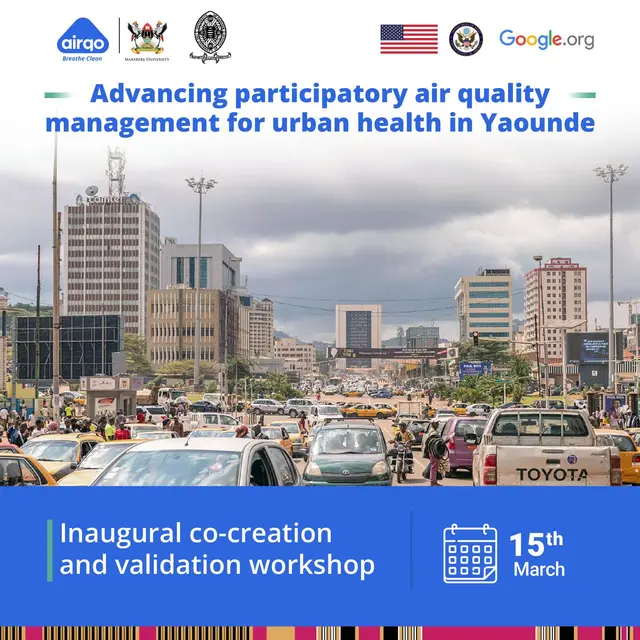

Motivation
Urban air pollution is one of the most important contemporary health threats globally and is responsible for over seven million premature deaths annually. Populations in Africa are disproportionately affected by air pollution challenges, accounting for over 10% of global mortality. However, effective management programmes have not been established in many African cities, largely because of limited access to timely and accurate air quality data from ground monitoring. The associated cost burdens of conventional air quality monitoring make it prohibitive for low-resourced cities to design and implement tailored interventions.
Advancing participatory air quality management is important for urban health. Engaging the local community in monitoring and managing air quality fosters a sense of ownership and empowerment. Involving residents in the decision-making process creates a more inclusive and responsive approach to addressing their specific concerns. This participatory model enables citizens to contribute firsthand observations, traditional knowledge, and contextual insights that may not be captured through conventional monitoring methods. Promoting community involvement not only enhances the accuracy and relevance of air quality data but also strengthens the resilience of urban populations to the health impacts of pollution.
This workshop will bring together the Yaounde air quality community of practice and will encourage collaborative efforts between local communities, government agencies, and other stakeholders to implement effective air quality policies and interventions.
The workshop aims to achieve the following objectives:
Expected outcomes
Setting the scene – Dr Assah
Session 1: Learning from the past
Presentation of the Clean-Air for African Cities Network Project – Mr Okure
Consolidate the stakeholder landscape in Yaounde – Dr Assah
Overlapping/synergistic activities on air quality/urban health in Yaounde
Session 2: The CLEAN-Air Project: Understanding/co-creating the present and the future –
Stakeholder onboarding and co-design of the implementation strategy for the CLEAN-Air for Yaoundé project
Demonstration of public access and use of AirQo app and web platform – Mr Elouna
Group photo and bio-break – Mr Ngwa
State of air quality in Yaoundé: preliminary analysis of the initial data – Mr Feuyit
Session 3: Shaping the future – Dr Assah / Mr Okure
Collaboration Avenues, Opportunities and Announcements
Closing remarks
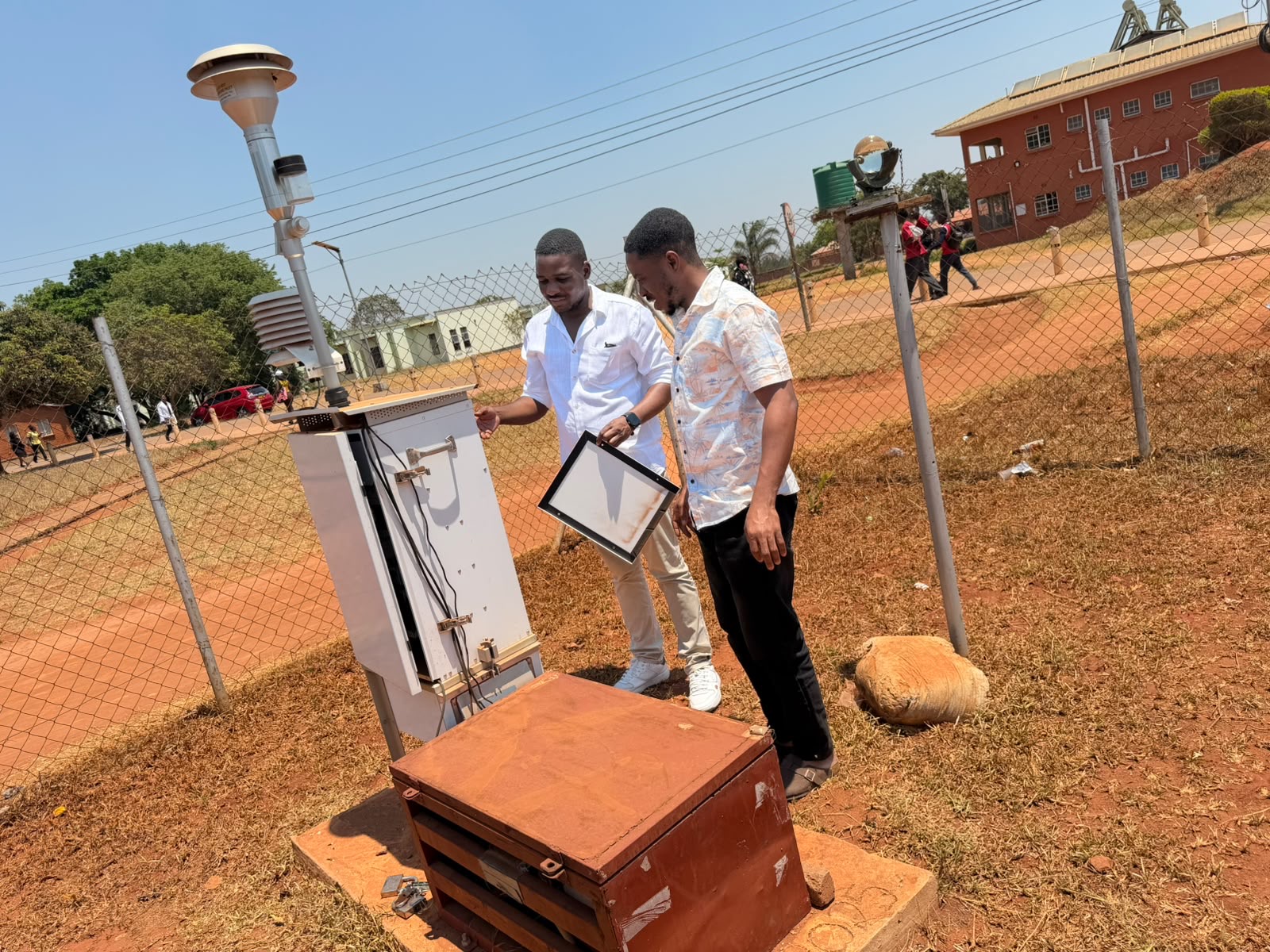
Lieu: Mzuzu, Malawi
Nombre d'écrans de référence : 1
Type/Fabricant : MetOne Instruments (BAM) Inc., Oregon, États-Unis.
Paramètres : PM2 ,5
Détails du déploiement : Mis en œuvre par l'initiative « Malawi Initiative for Clean Air Solutions » (MIfCAS) de Clean Air One Atmosphere (Ghana), en partenariat avec l'université de Mzuzu, grâce à un financement du Fonds EPIC AQ.
Accès aux données publiques : à déterminer
Hôte : Université de Mzuzu, au Malawi
Autres partenaires : l'Autorité de protection de l'environnement du Malawi , l'université de Mzuzu, le Département du changement climatique et des services météorologiques, l'université des sciences et technologies du Malawi, ainsi que l'Imperial College de Londres (Royaume-Uni).
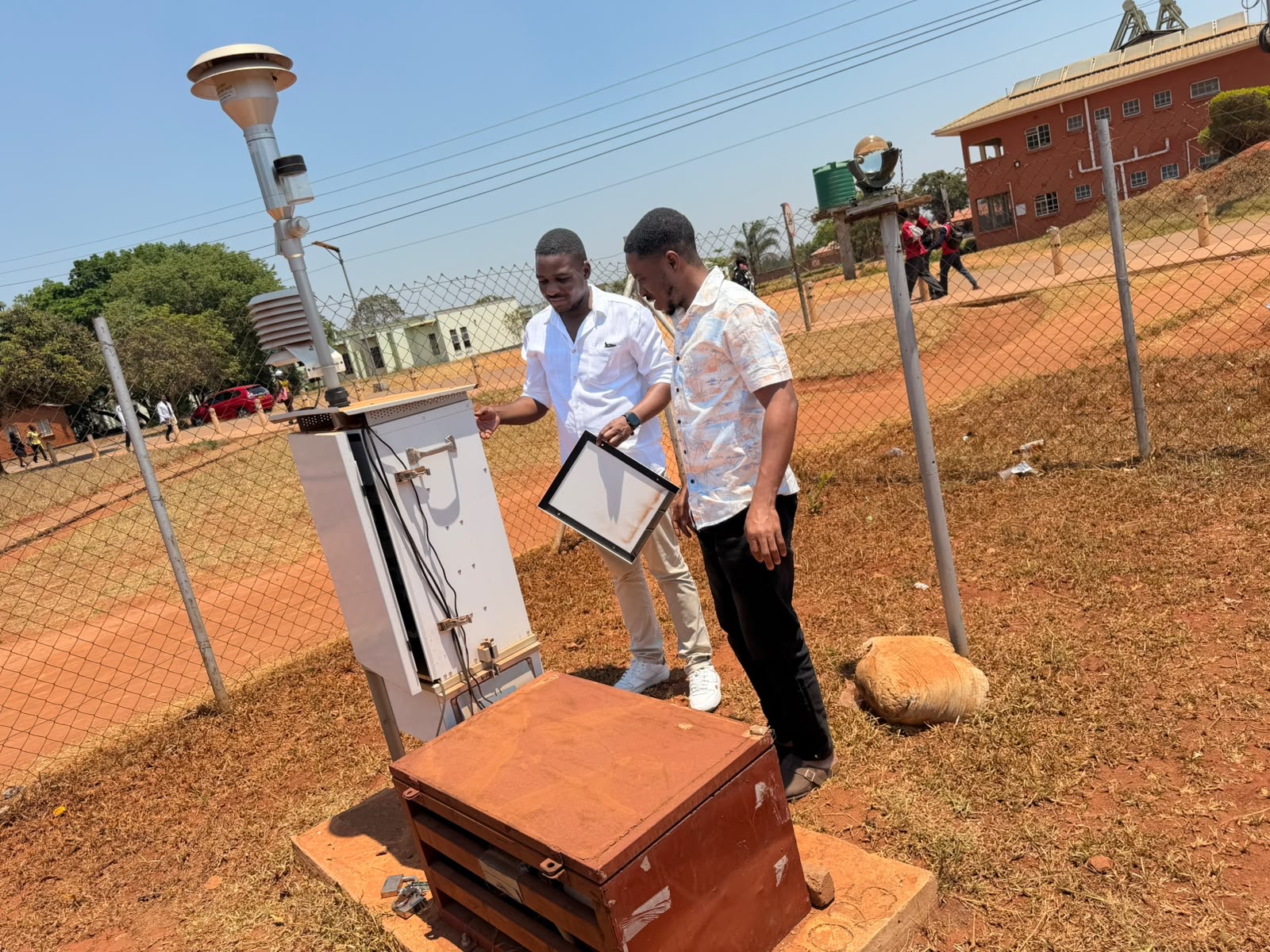
Lieu: Mzuzu, Malawi
Nombre d'écrans de référence : 1
Type/Fabricant : MetOne Instruments (BAM) Inc., Oregon, États-Unis.
Paramètres : PM2 ,5
Détails du déploiement : Mis en œuvre par Clean Air One Atmosphere (Ghana) dans le cadre de l’initiative « Malawi Initiative for Clean Air Solutions » (MIfCAS), en partenariat avec l’Autorité de protection de l’environnement du Malawi, l’université de Mzuzu (département des changements climatiques et des services météorologiques) et l’université des sciences et technologies du Malawi (toutes situées au Malawi), ainsi qu’avec l’Imperial College de Londres (Royaume-Uni), grâce à un financement du Fonds EPIC AQ.
Accès aux données publiques : à déterminer
Hôte : Université de Mzuzu, au Malawi
Autres partenaires : l'Autorité de protection de l'environnement du Malawi , l'université de Mzuzu, le Département du changement climatique et des services météorologiques, l'université des sciences et technologies du Malawi (tous situés au Malawi), ainsi que l'Imperial College de Londres, au Royaume-Uni.
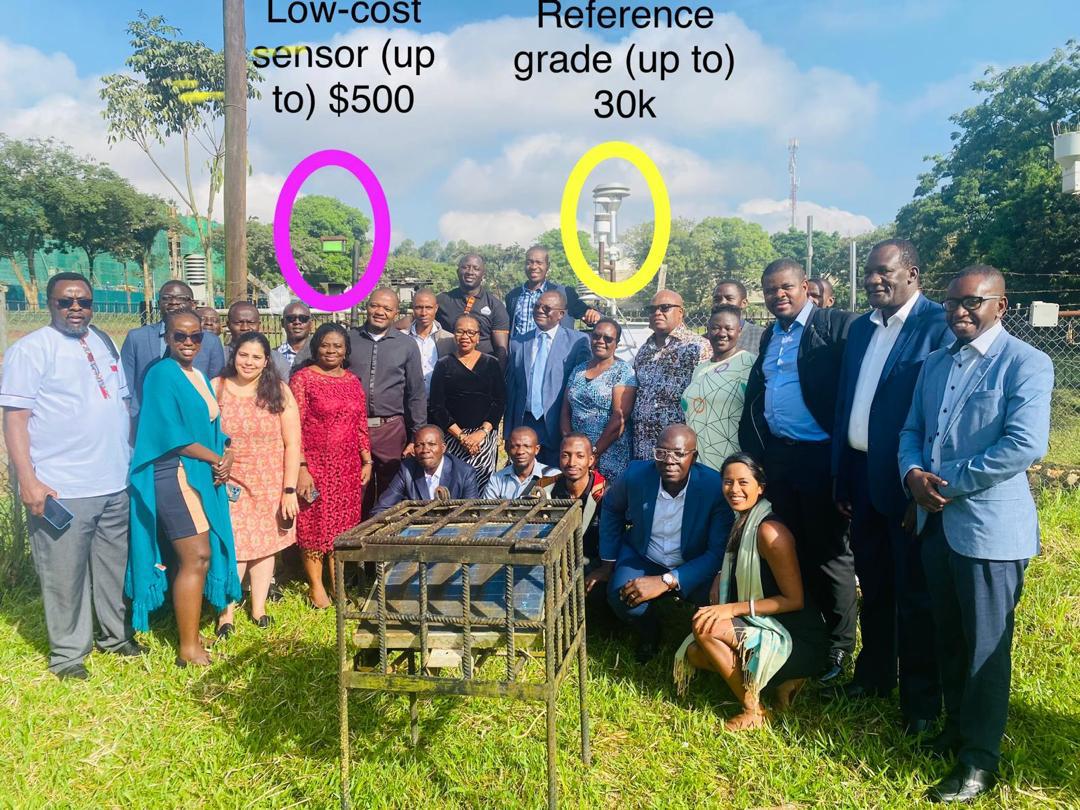
Université Makerere, Kampala, Ouganda
Lieu: Kampala, Ouganda
Nombre d'écrans de référence : 2
Type/Fabricant : MetOne BAM 1022
Paramètres : PM2,5 et PM10
Détails du déploiement : Déployé par AirQo avec le soutien de Google.org
Accès aux données publiques : plateforme AirQo | plateforme OpenAQ
Organisateurs : Université Makerere, Autorité de la capitale de Kampala
Autres partenaires : KCCA, NEMA
Lieu: Kampala, Ouganda
Nombre d'écrans de référence : 1
Type/Fabricant : MetOne BAM
Paramètres : PM2,5
Détails de la mission : Pôle de géo-santé d'Afrique de l'Est, Université de Makerere
Organisateur : École de santé publique de l'université de Makerere
Accès aux données publiques : à confirmer
Autres partenaires : à confirmer
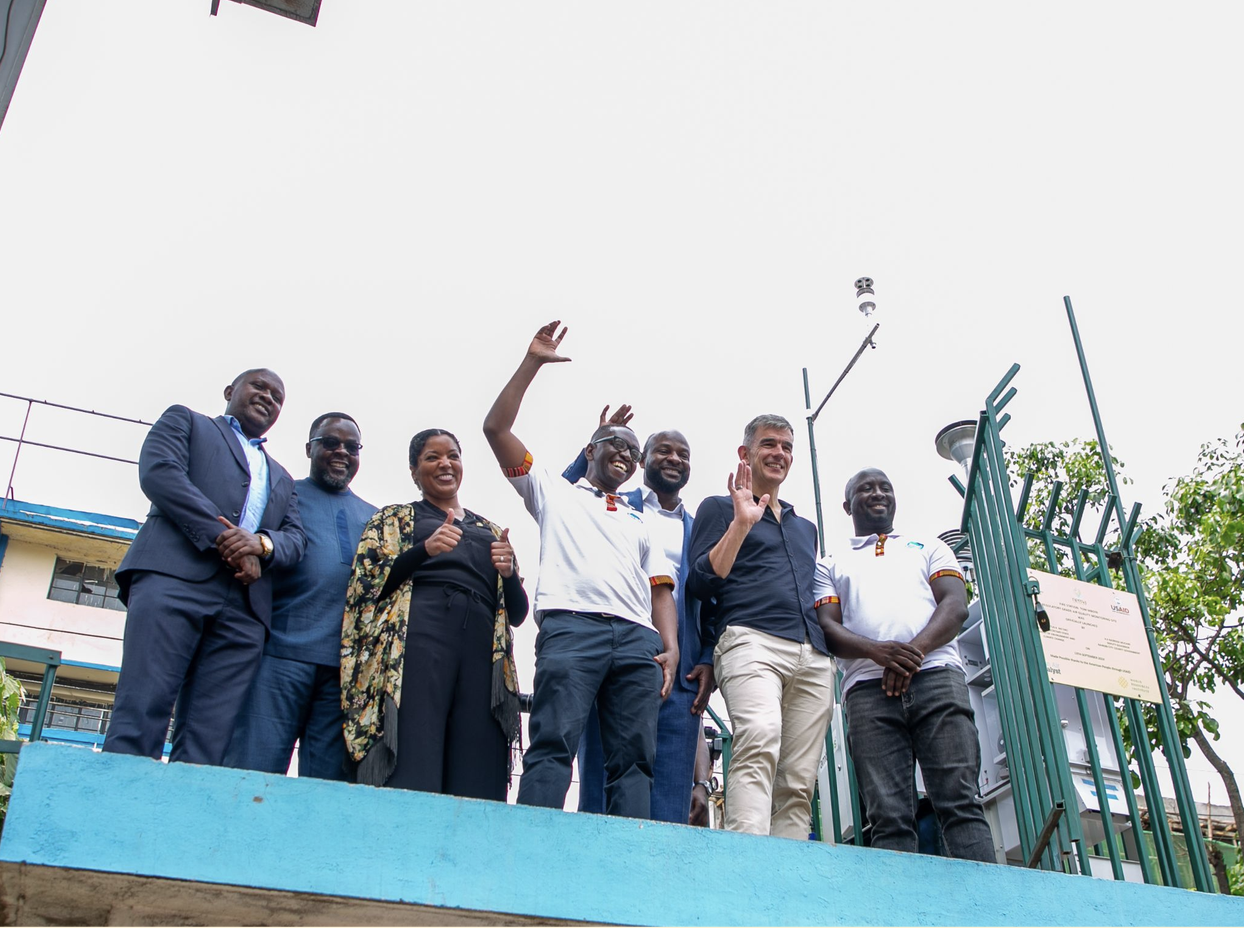
Lieu: Nairobi, Kenya
Nombre d'écrans de référence : 2
Type/Fabricant : MetOne BAM
Paramètres : PM2,5
Détails du déploiement : Déployé par WRI avec le soutien de l'USAID (Lien)
Accès aux données publiques : AirQo
Organisateur : Administration du comté de Nairobi
Autres partenaires : AirQo, Clean Air Fund
Lieu: Nairobi, Kenya
Nombre d'écrans de référence : 1
Type/Fabricant : MetOne BAM
Paramètres : PM2,5
Détails de la mission : Pôle de santé géographique d'Afrique de l'Est, Université de Nairobi
Hôte : Université de Nairobi
Accès aux données publiques : à confirmer
Autres partenaires : AirQo
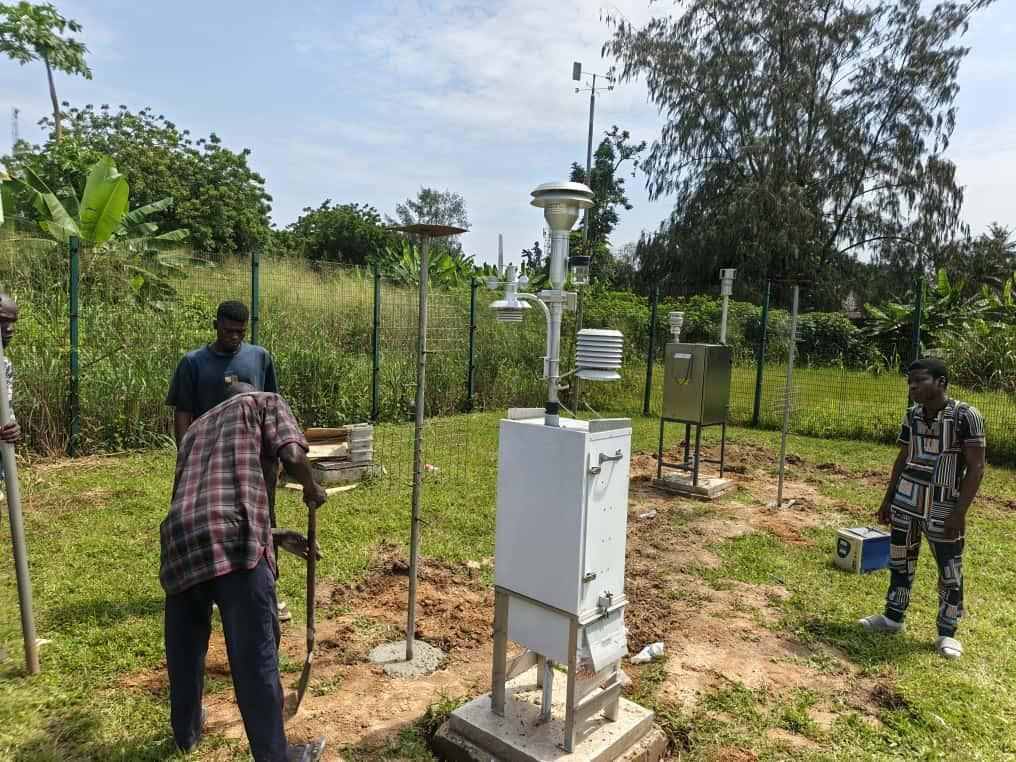
Lagos, Nigeria
Lieu: Lagos, Nigeria
Nombre d'écrans de référence : 3
Type/Fabricant : BAM/MetOne ; AQ Sync/2B Technology, États-Unis ; FIDAS/SAS ADDAIR, France
Paramètres : BAM PM10, PM2,5, FEM de classe III de l'EPA américaine, certifié TÜV de l'UE ;
un analyseur 2BTech AQ-Sync pour NO, NO₂ et ozone (certifié par l'EPA américaine) et un étalonneur modèle 714 ;
Fidas 200S - spectromètre de taille des particules en aérosol certifié par l'UE pour les PM2,5 et les PM10
Détails du déploiement : projet mené par l'AQMRG en partenariat avec AirQo, grâce à un financement du Département d'État américain (BAM) ; les systèmes Fidas et AQ Sync ont tous deux été offerts par AfriqAir.
Accès aux données publiques : Plateforme AirQo
Organisateur : Université de Lagos
Autres partenaires : LASEPA, LAMATA, NESREA, Fondation RENACLIP, UrbanBetter, Code4Africa, Université de Port Harcourt, Université d’Uyo, Université de Nairobi, Université Carnegie Mellon, Université Cheikh Anta Diop de Dakar, Université américaine du Caire.
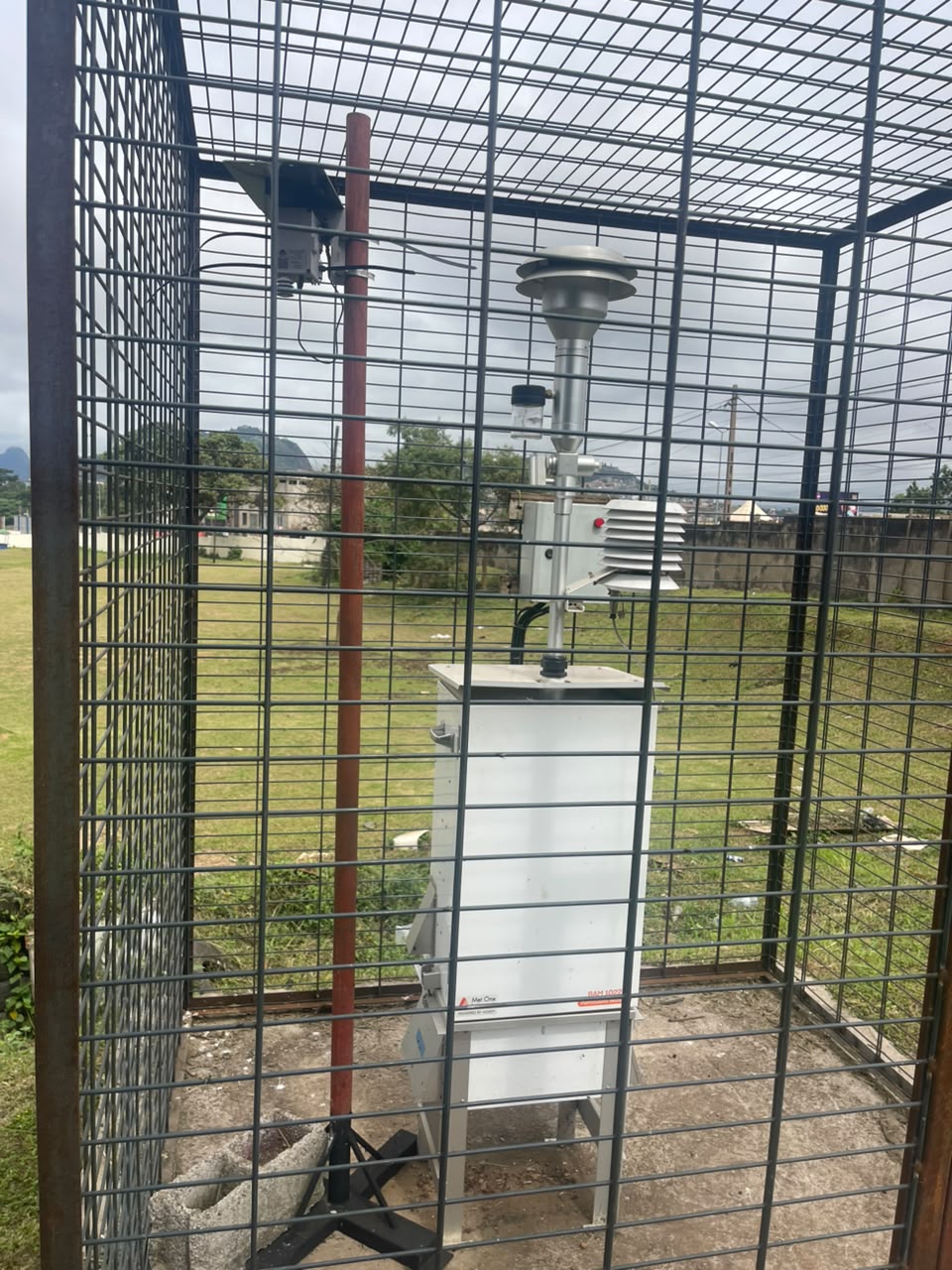
Lieu: Yaoundé, Cameroun
Nombre d'écrans de référence : 1
Type/Fabricant : MetOne BAM 1022
Paramètres : PM2 ,5
Détails du déploiement : mis en place par le groupe de recherche « Santé des populations en transit » (HoPiT) de l'Université de Yaoundé I, avec le soutien du Fonds EPIC AQ
Accès aux données publiques : plateforme AirQo | plateforme OpenAQ
Animateur : à confirmer
Autres partenaires: AirQo
