

The 2026 Africa Clean Air Forum convened more than 500 participants from over 40 countries in Pretoria, South Africa, bringing together leaders and practitioners from across Africa’s air quality landscape. As the flagship event of AfriCAN, the Forum provided a continent-wide platform for connection, exchange and collective action.
Held under the theme “investment case for clean air and healthy cities,” the forum brought air quality into focus as an essential investment for healthier, more resilient cities. It connected diverse perspectives and expertise around the priorities shaping Africa’s response to air pollution.
The four-day gathering strengthened relationships across sectors and borders, opening pathways for new partnerships and continued collaboration beyond the forum. It reflected the growing momentum behind a more coordinated, evidence-driven approach to improving air quality across Africa.
Points forts
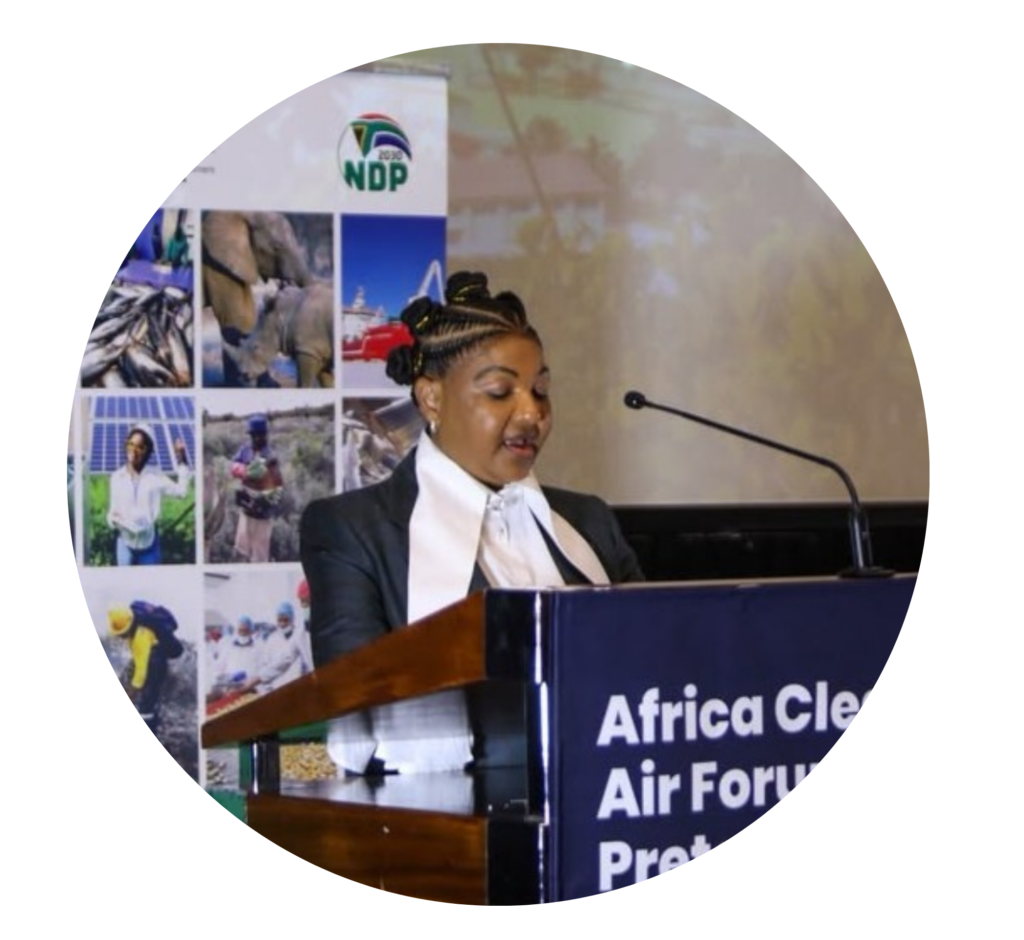
Clean air is not simply an environmental issue. It is a development imperative. It is about protecting human health, improving educational outcomes, strengthening economic productivity and ensuring environmental justice for present and future generations.
Deputy Minister Bernice Swarts, Department of Forestry, Fisheries and the Environment
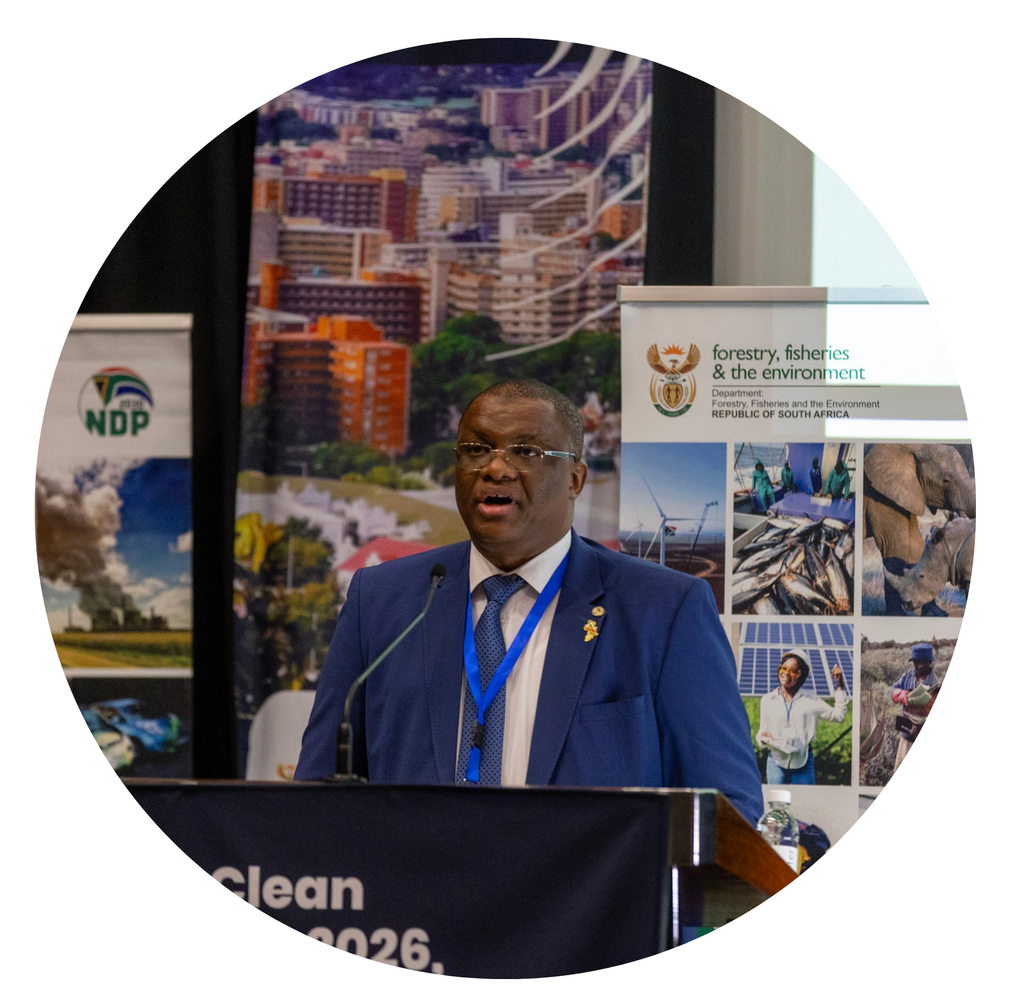
Nous ne pouvons pas gérer ce que nous ne mesurons pas. À l’échelle du continent, nous devons harmoniser nos normes et nos standards. C’est à cette condition que l’Afrique pourra parler d’une seule voix, produire des données comparables et mobiliser les financements nécessaires pour accélérer l’action en faveur de la qualité de l’air.
H.E. Mr Issifi Boureima, Executive Secretary, Climate Commission for the Sahel Region

Clean air is not only a public health imperative, but it is an investment in sustainable development, resilient cities, and economic opportunity. In other words, the investment case for clean air in Africa is strong. The Climate and Clean Air Coalition, together with the African Union Commission, is supporting an Africa Clean Air Programme, turning evidence into action, mobilising investment, and accelerating African-led solutions that improve air quality, strengthen climate resilience, and deliver healthier lives for millions.
Martina Otto, Head of Climate and Clean Air Coalition Secretariat, UN Environment Programme
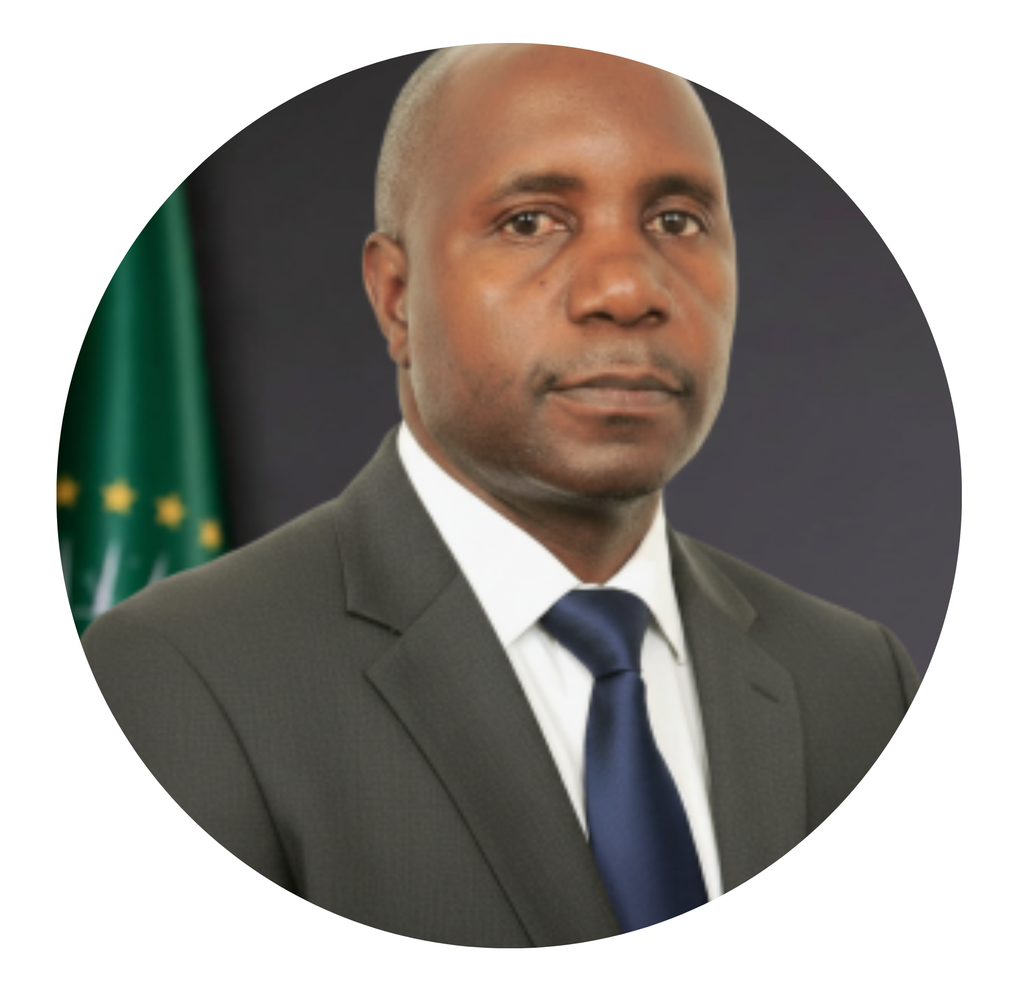
The challenge we have as a continent is that we do not have enough mechanisms to monitor air quality, and that is one area where we need to improve. What is critical for us in this area is to come up with programmes that facilitate the harmonisation of policies across the continent.
Dr Harsen Nyambe, African Union Commission
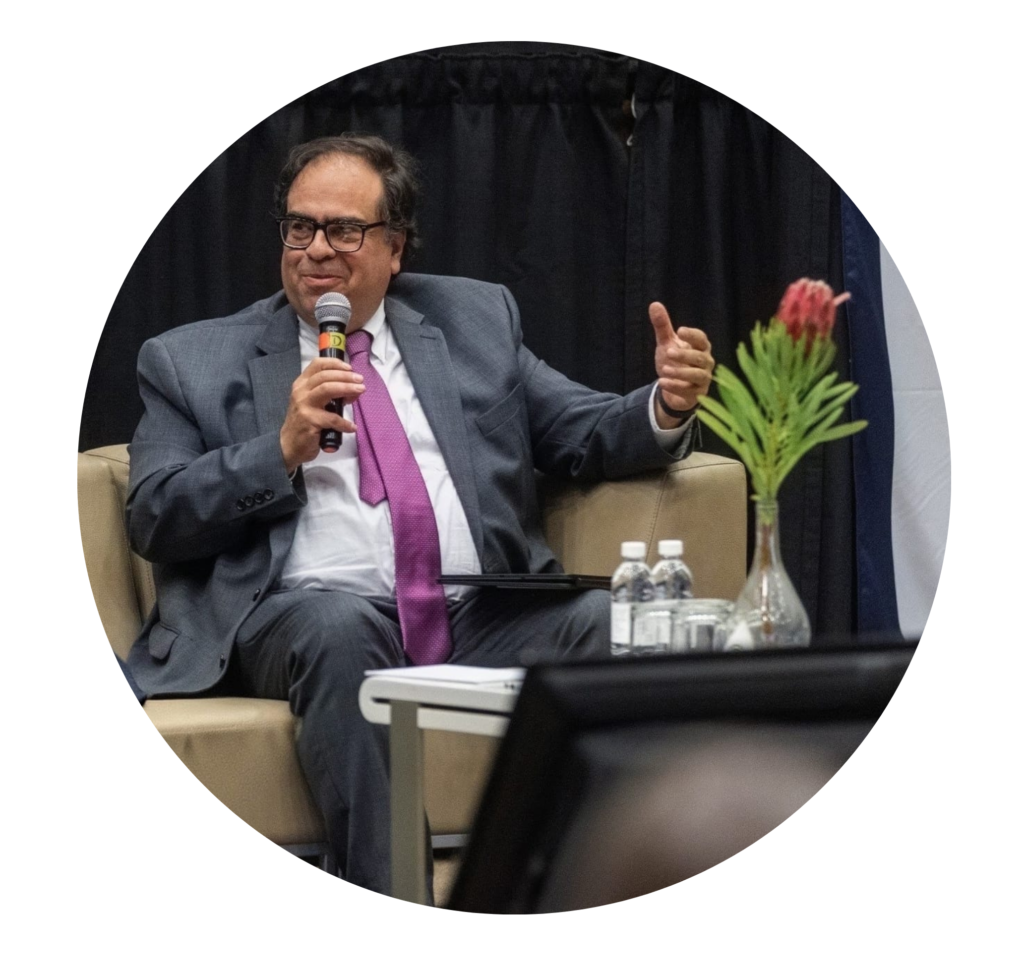
Financing for clean air is starting to move but very slowly. In most of Africa, the cost of air pollution remains invisible to investors. When you can’t measure pollution, you can’t price the risks and financing stalls.
Francis V. Fragano, World Bank Group
The presence of the Chief Executive and the city’s top management is very important because if we are to drive any change, or contribute new content to the body of knowledge, we need the Chief Executive at the forefront.
Sharifah Buzeki, Executive Director, Kampala Capital City Authority
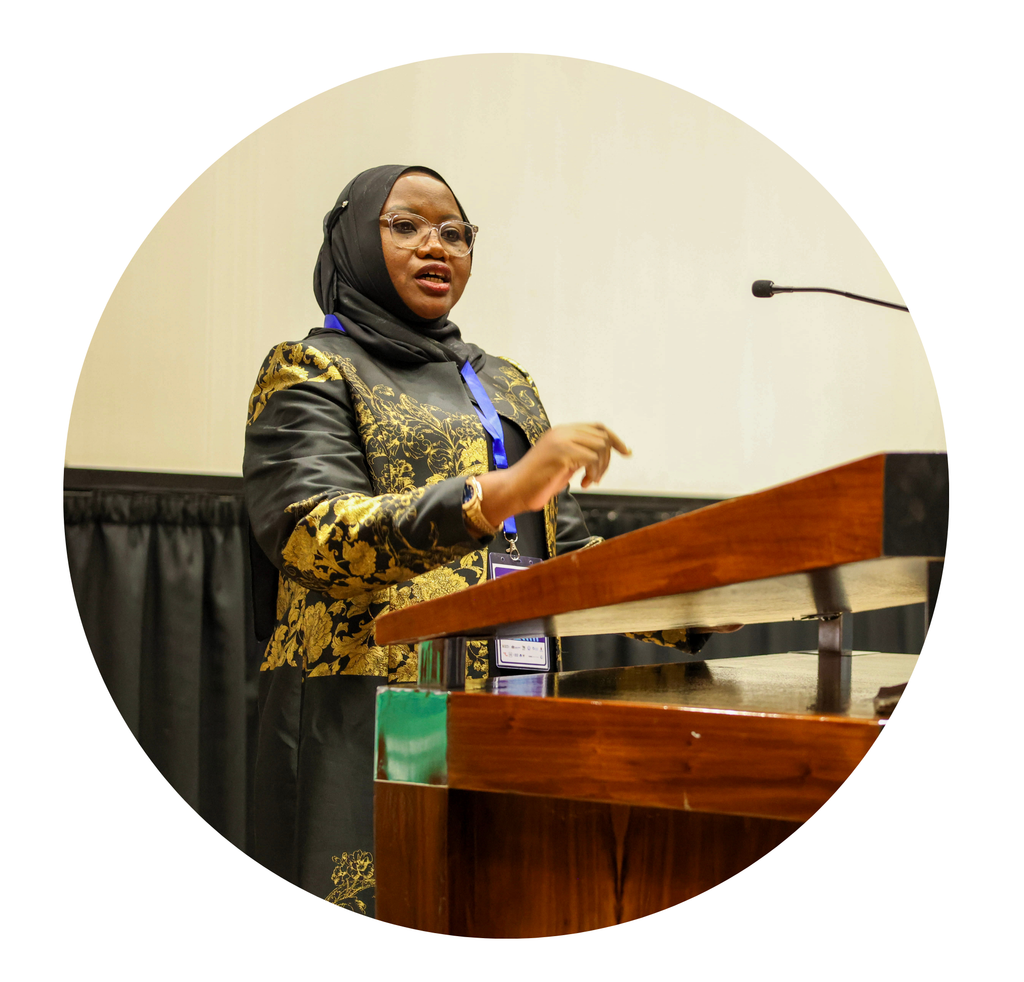
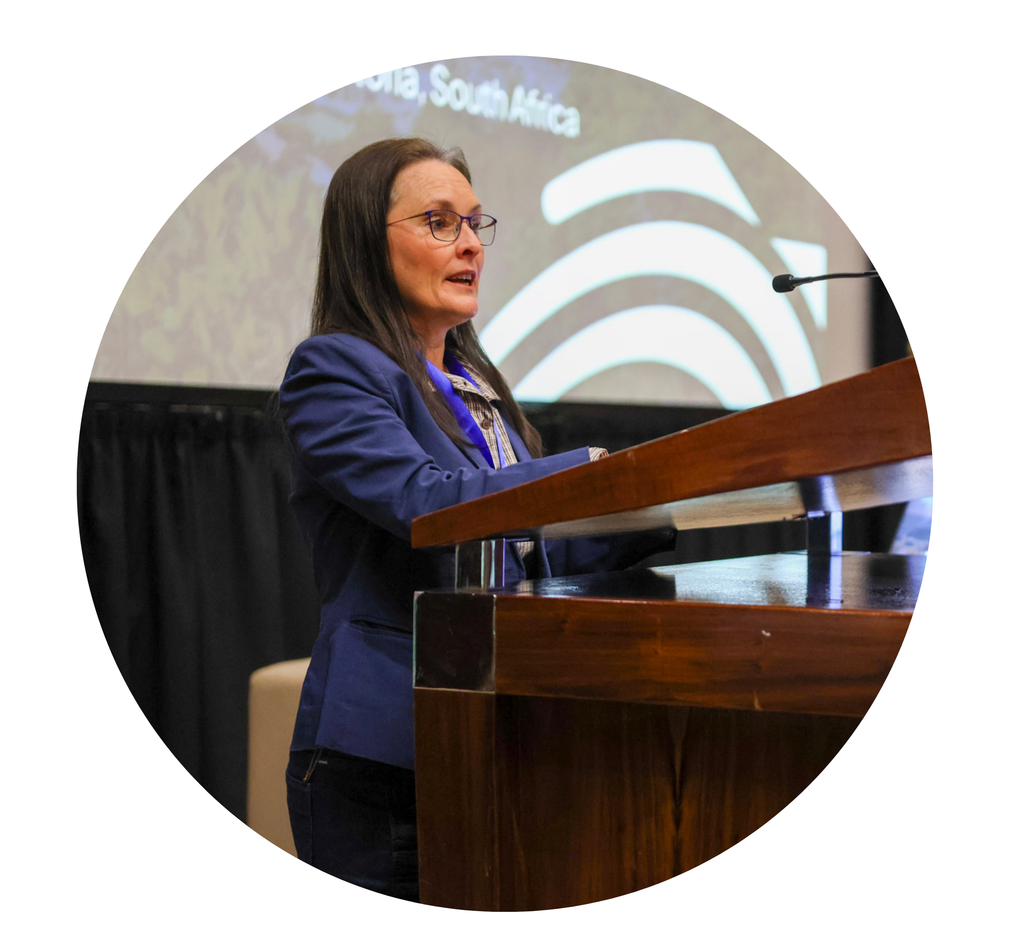
The air above the Highveld, above our townships, above our children’s schools, does not respect the boundary between a scientific finding and a political decision. We know enough. The evidence is not the missing piece – the will is. I am asking each of you, in your own sphere of influence, to close that gap. Enforce the standard. Fund the transition. Protect the data. Inform the community
Dr Caradee Wright, South African Medical Research Council
It is clear that air quality objectives are not significantly or well enough embedded into budgetary systems, rarely appearing as distinct budget lines. Similarly, public investment systems do not tend to prioritise air quality. If we want to attract additional financing, we have to present air quality investment in a way that attracts investors and derisks their investments.
Moortaza Jiwanji, UNDP Sustainable Finance Hub
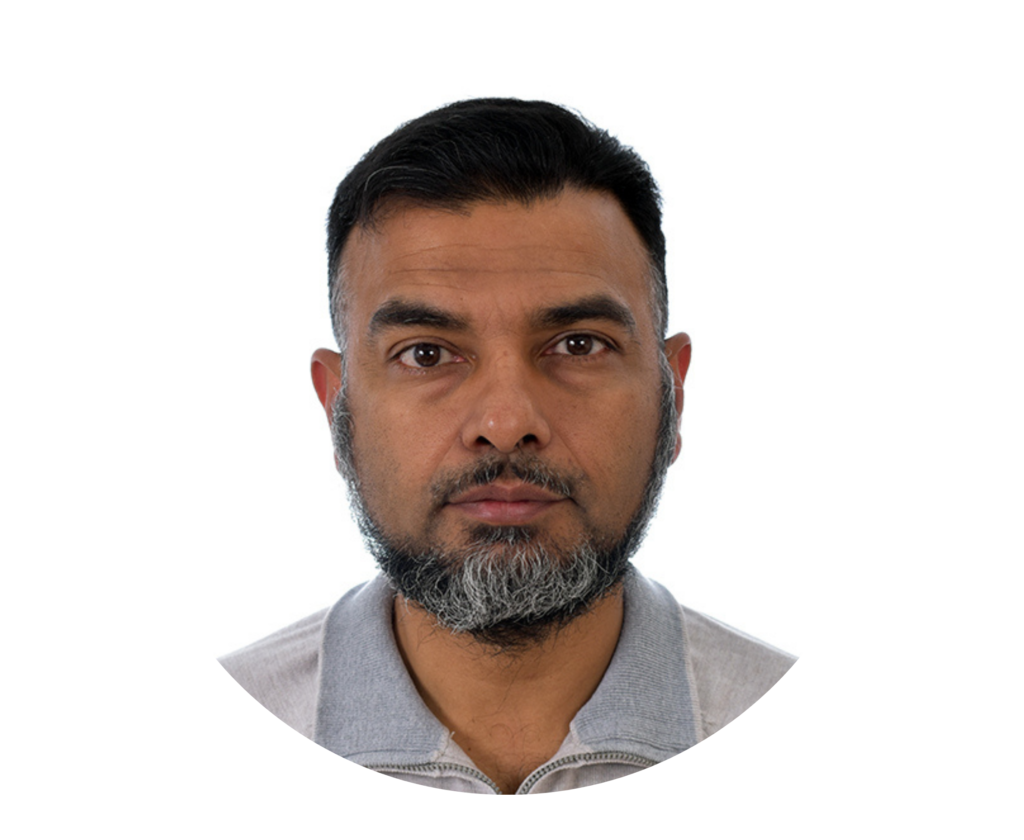

The air a child breathes is too often determined by where they are born. That is an issue of justice. We need to look beyond the statistics and recognise that behind every number is a lived experience. Investing in air quality means not only monitoring pollution, but listening to communities and designing solutions with them, not for them.
Xoli Fuyani, Founder, Black Girls Rising
Explore the research, evidence and ideas shared at the forum in the Africa Clean Air Forum 2026 Abstract Book.
For more details and insights from the forum, visit the main website.
Location: Accra, Ghana
Nombre d'écrans de référence : 3
Type/Manufacturer: Teledyne API Model T640, 2B Tech Model 106-L Ozone Monitor, Ecotech Serinus 40 NOx Analyzer.
Parameters: PM2.5, PM10, O3, NO, NO2, NOx
Deployment details: Afri-SET Facility, Department of Physics, University of Ghana
Public Data Access: Restricted Public Access; data available upon request. Data will be available on the Afri-SET website and the EPA Ghana Data Portal soon.
Host: Department of Physics, University of Ghana
Additional partners: Environmental Protection Authority Ghana (EPA) Ghana, Kigali Collaborative Research Centre (KCRC)
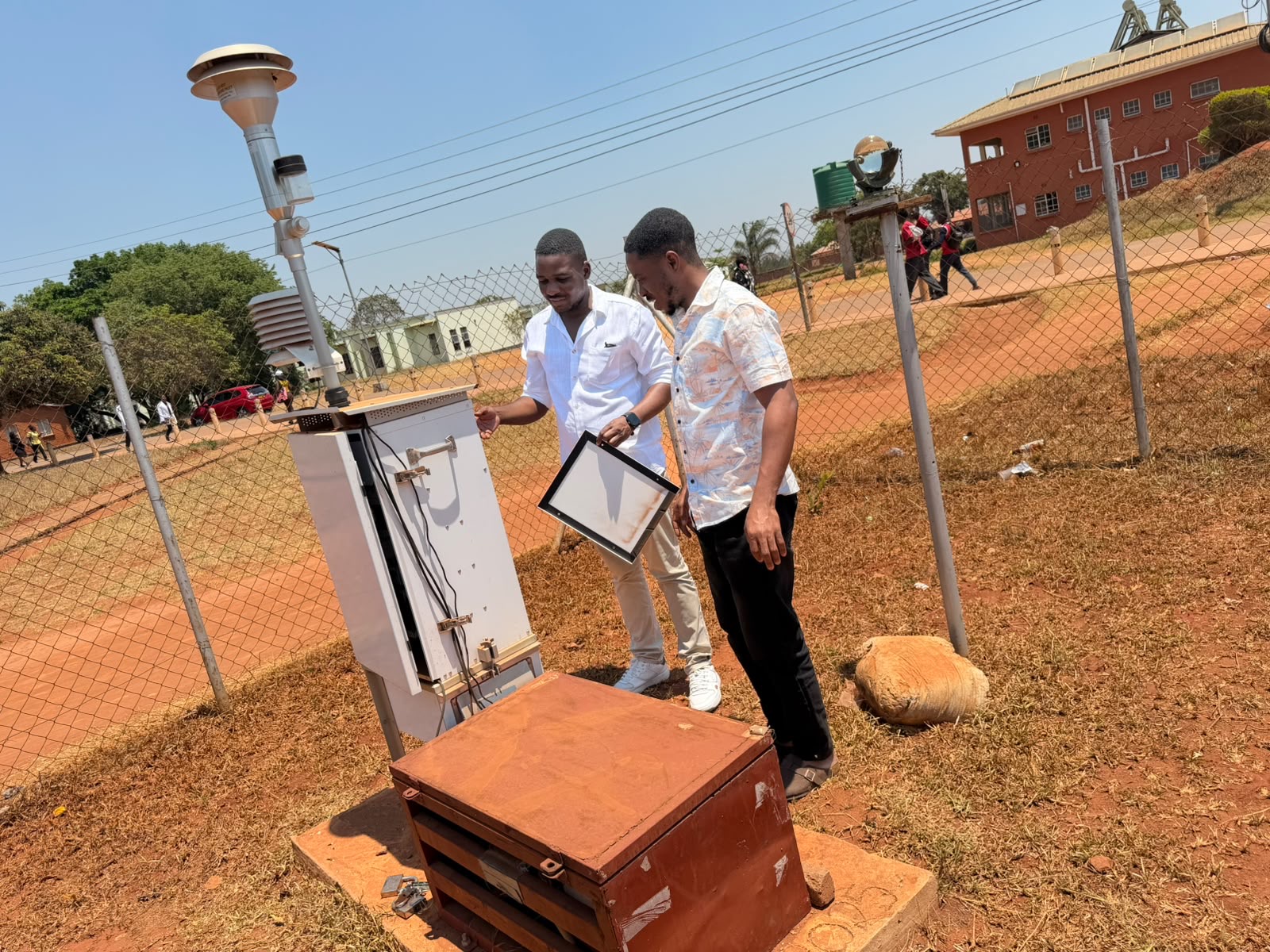
Lieu: Mzuzu, Malawi
Nombre d'écrans de référence : 1
Type/Fabricant : MetOne Instruments (BAM) Inc., Oregon, États-Unis.
Paramètres : PM2 ,5
Détails du déploiement : Mis en œuvre par l'initiative « Malawi Initiative for Clean Air Solutions » (MIfCAS) de Clean Air One Atmosphere (Ghana), en partenariat avec l'université de Mzuzu, grâce à un financement du Fonds EPIC AQ.
Accès aux données publiques : à déterminer
Hôte : Université de Mzuzu, au Malawi
Autres partenaires : l'Autorité de protection de l'environnement du Malawi , l'université de Mzuzu, le Département du changement climatique et des services météorologiques, l'université des sciences et technologies du Malawi, ainsi que l'Imperial College de Londres (Royaume-Uni).
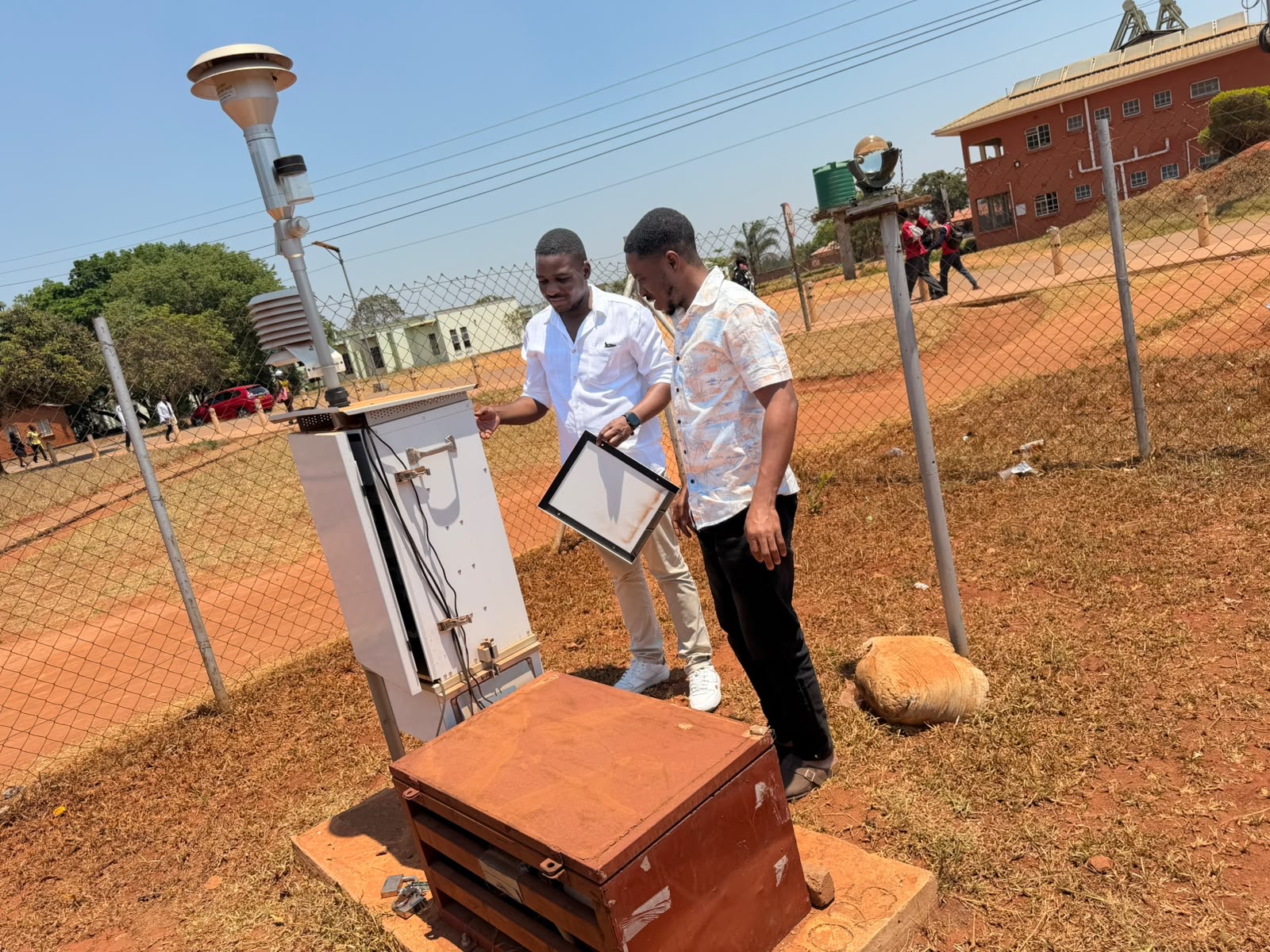
Lieu: Mzuzu, Malawi
Nombre d'écrans de référence : 1
Type/Fabricant : MetOne Instruments (BAM) Inc., Oregon, États-Unis.
Paramètres : PM2 ,5
Détails du déploiement : Mis en œuvre par Clean Air One Atmosphere (Ghana) dans le cadre de l’initiative « Malawi Initiative for Clean Air Solutions » (MIfCAS), en partenariat avec l’Autorité de protection de l’environnement du Malawi, l’université de Mzuzu (département des changements climatiques et des services météorologiques) et l’université des sciences et technologies du Malawi (toutes situées au Malawi), ainsi qu’avec l’Imperial College de Londres (Royaume-Uni), grâce à un financement du Fonds EPIC AQ.
Accès aux données publiques : à déterminer
Hôte : Université de Mzuzu, au Malawi
Autres partenaires : l'Autorité de protection de l'environnement du Malawi , l'université de Mzuzu, le Département du changement climatique et des services météorologiques, l'université des sciences et technologies du Malawi (tous situés au Malawi), ainsi que l'Imperial College de Londres, au Royaume-Uni.
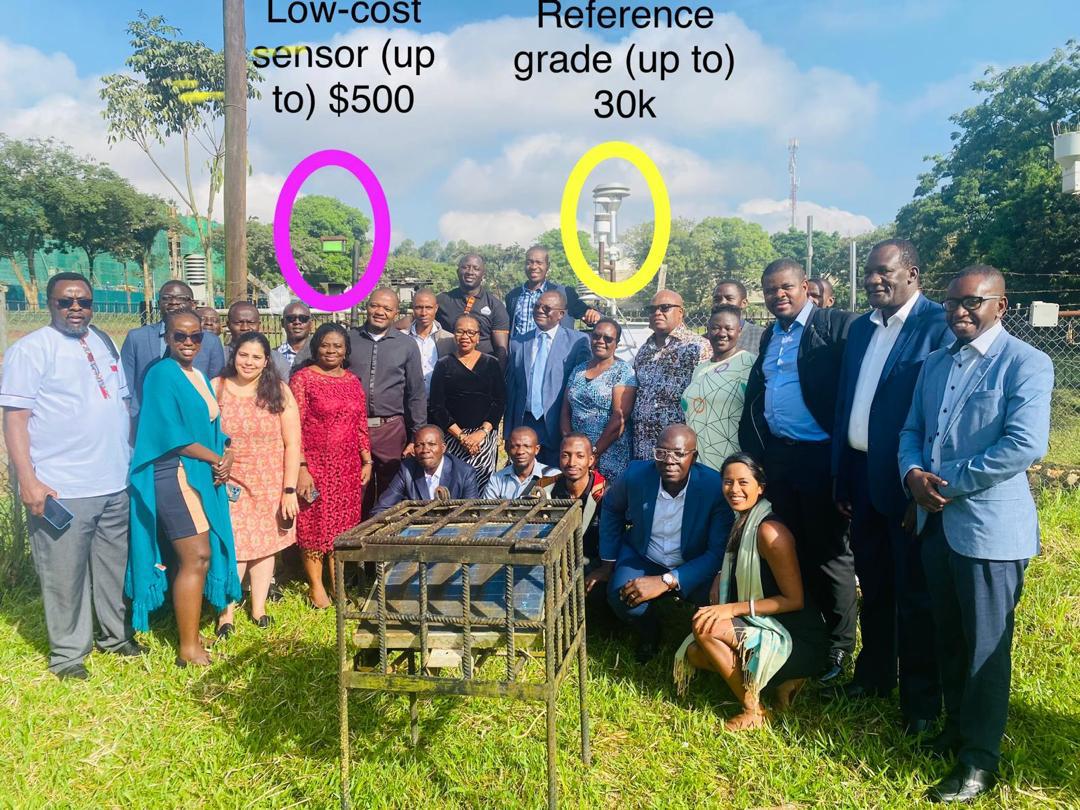
Université Makerere, Kampala, Ouganda
Lieu: Kampala, Ouganda
Nombre d'écrans de référence : 2
Type/Fabricant : MetOne BAM 1022
Paramètres : PM2,5 et PM10
Détails du déploiement : Déployé par AirQo avec le soutien de Google.org
Accès aux données publiques : plateforme AirQo | plateforme OpenAQ
Organisateurs : Université Makerere, Autorité de la capitale de Kampala
Autres partenaires : KCCA, NEMA
Lieu: Kampala, Ouganda
Nombre d'écrans de référence : 1
Type/Fabricant : MetOne BAM
Paramètres : PM2,5
Détails de la mission : Pôle de géo-santé d'Afrique de l'Est, Université de Makerere
Organisateur : École de santé publique de l'université de Makerere
Accès aux données publiques : à confirmer
Autres partenaires : à confirmer
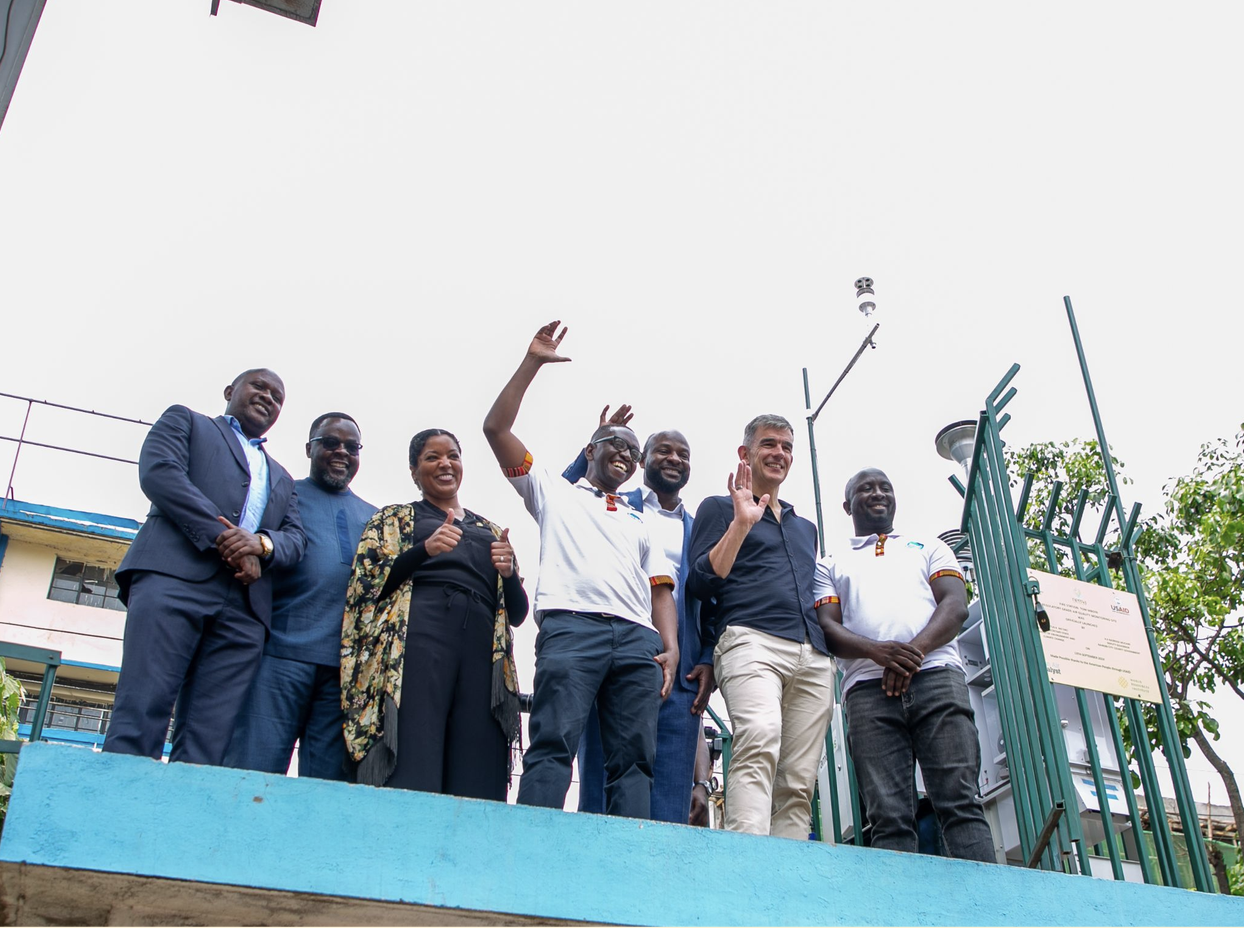
Lieu: Nairobi, Kenya
Nombre d'écrans de référence : 2
Type/Fabricant : MetOne BAM
Paramètres : PM2,5
Détails du déploiement : Déployé par WRI avec le soutien de l'USAID (Lien)
Accès aux données publiques : AirQo
Organisateur : Administration du comté de Nairobi
Autres partenaires : AirQo, Clean Air Fund
Lieu: Nairobi, Kenya
Nombre d'écrans de référence : 1
Type/Fabricant : MetOne BAM
Paramètres : PM2,5
Détails de la mission : Pôle de santé géographique d'Afrique de l'Est, Université de Nairobi
Hôte : Université de Nairobi
Accès aux données publiques : à confirmer
Autres partenaires : AirQo
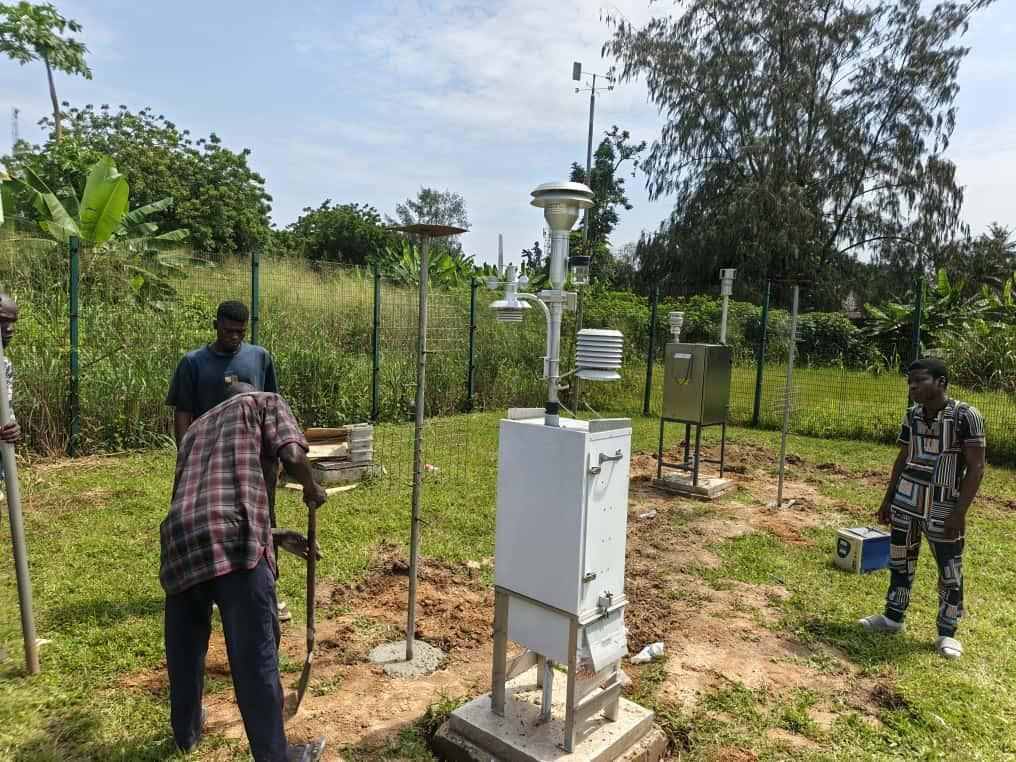
Lagos, Nigeria
Lieu: Lagos, Nigeria
Nombre d'écrans de référence : 3
Type/Fabricant : BAM/MetOne ; AQ Sync/2B Technology, États-Unis ; FIDAS/SAS ADDAIR, France
Paramètres : BAM PM10, PM2,5, FEM de classe III de l'EPA américaine, certifié TÜV de l'UE ;
un analyseur 2BTech AQ-Sync pour NO, NO₂ et ozone (certifié par l'EPA américaine) et un étalonneur modèle 714 ;
Fidas 200S - spectromètre de taille des particules en aérosol certifié par l'UE pour les PM2,5 et les PM10
Détails du déploiement : projet mené par l'AQMRG en partenariat avec AirQo, grâce à un financement du Département d'État américain (BAM) ; les systèmes Fidas et AQ Sync ont tous deux été offerts par AfriqAir.
Accès aux données publiques : Plateforme AirQo
Organisateur : Université de Lagos
Autres partenaires : LASEPA, LAMATA, NESREA, Fondation RENACLIP, UrbanBetter, Code4Africa, Université de Port Harcourt, Université d’Uyo, Université de Nairobi, Université Carnegie Mellon, Université Cheikh Anta Diop de Dakar, Université américaine du Caire.
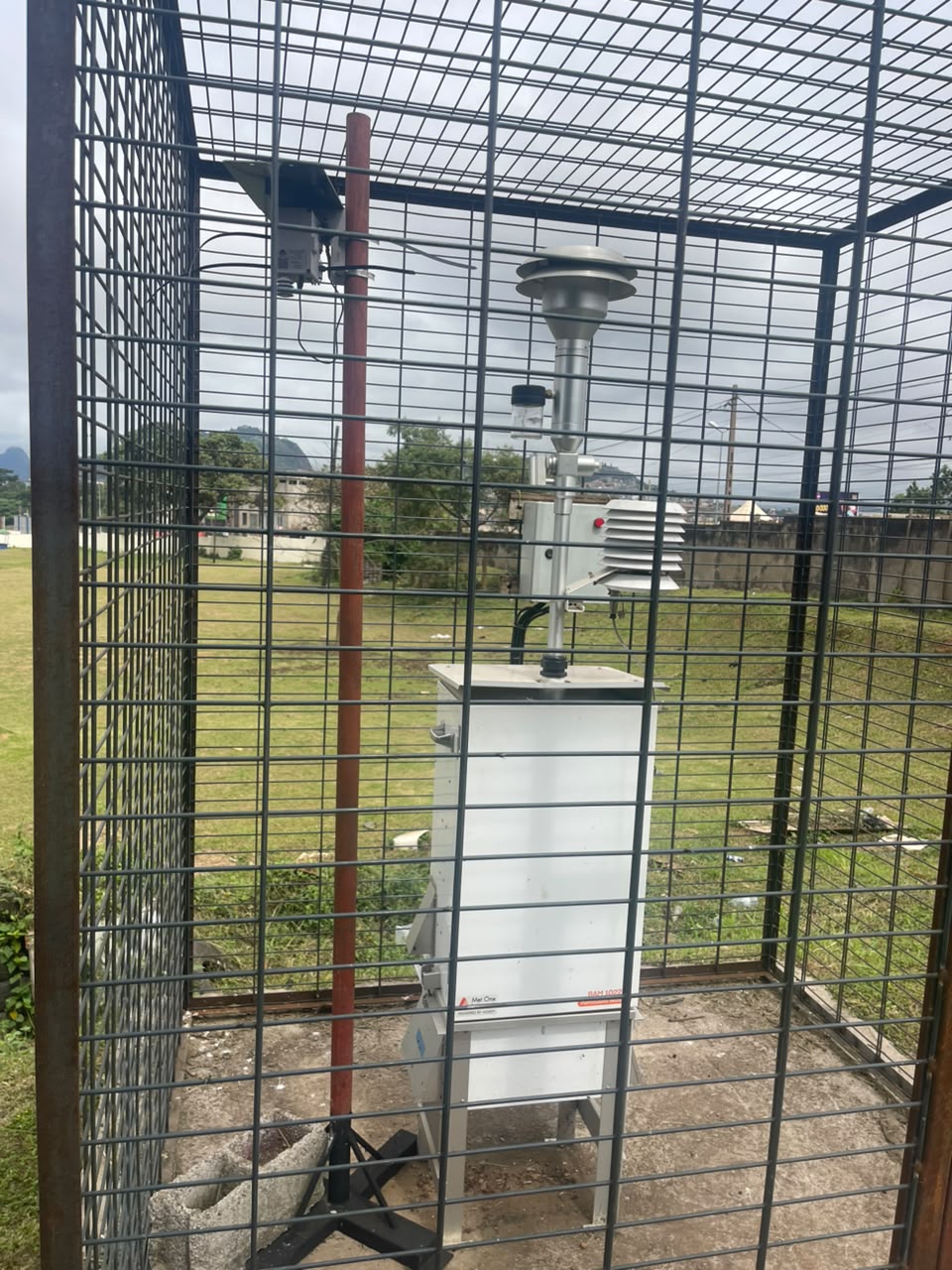
Lieu: Yaoundé, Cameroun
Nombre d'écrans de référence : 1
Type/Fabricant : MetOne BAM 1022
Paramètres : PM2 ,5
Détails du déploiement : mis en place par le groupe de recherche « Santé des populations en transit » (HoPiT) de l'Université de Yaoundé I, avec le soutien du Fonds EPIC AQ
Accès aux données publiques : plateforme AirQo | plateforme OpenAQ
Animateur : à confirmer
Autres partenaires: AirQo
