

Showcasing advances in air quality sensing in African cities

Session overview
Urban air pollution is one of the most important contemporary health threats globally and is responsible for over seven million premature deaths annually.
Advances in Artificial Intelligence (AI) and sensing technologies (Internet of Things (IoT)) present unique opportunities for developing cost-effective approaches for air quality monitoring and modelling in resource limited settings in the global south.
This session aims to demonstrate the capabilities of digital solutions such as AirQo and the growing uptake in different cities across Africa.
The session will be delivered by a moderated panel of four speakers. The panel discussions will be preceded by individual 5-minute opening remarks on the different use cases and facets of digital technologies in advancing climate action across Africa.
Session Objectives
Expected Outcomes
Alignment with COP28 and thematic programming
The session aligns with the thematic areas on climate technology development and transfer, adaptation and mitigation, and more broadly the COP28 programmatic themes on inclusion and multi-level action, health, technology and innovation.

Correspondence
Richard Sserunjogirichard.sserunjogi@airqo.net
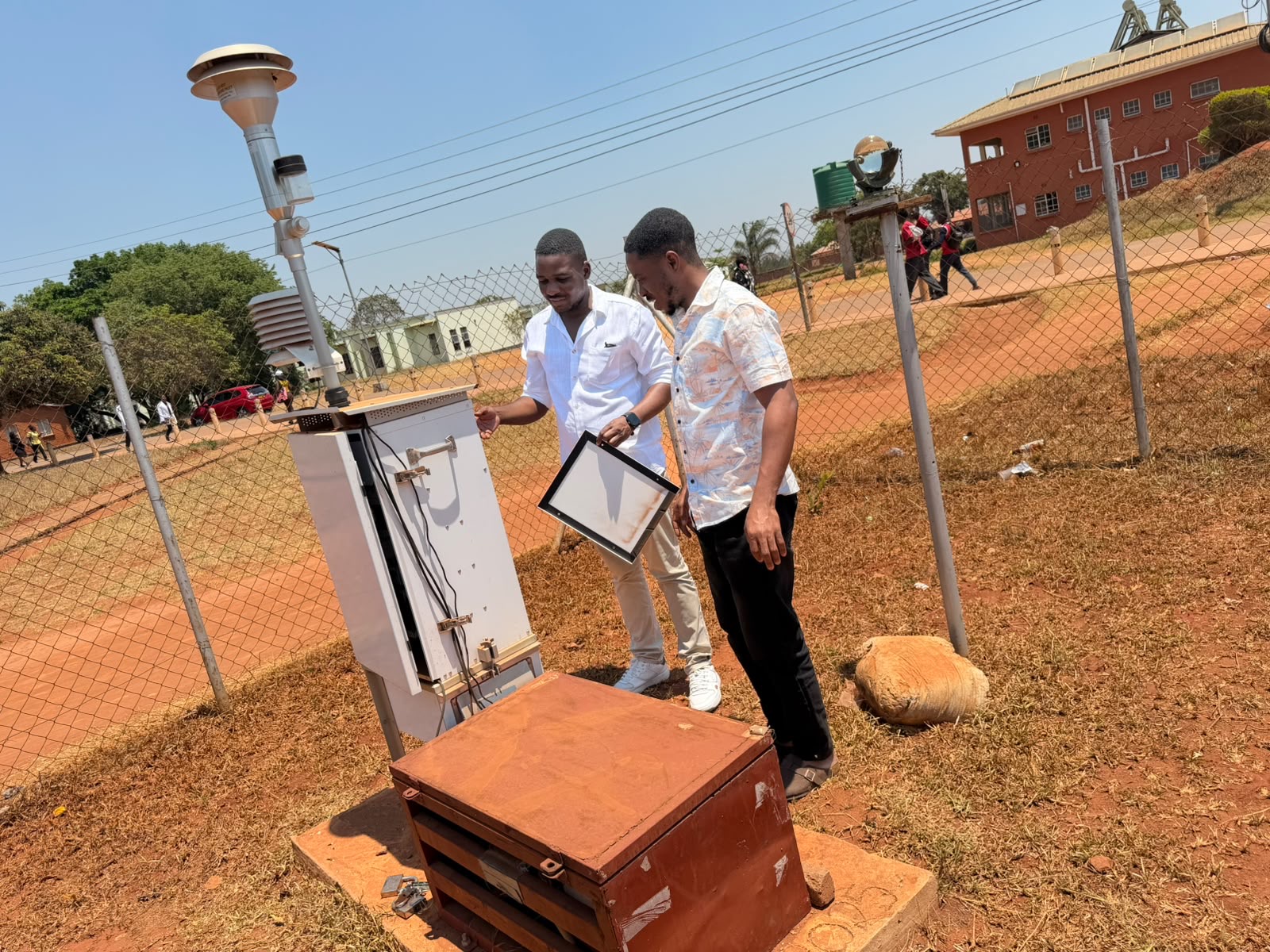
Location: Mzuzu, Malawi
Number of Reference Monitors: 1
Type/Manufacturer: MetOne Instruments (BAM) Inc., Oregon, USA.
Parameters: PM2.5
Deployment details: Deployed by Clean Air One Atmosphere's (Ghana) Malawi Initiative for Clean Air Solutions (MIfCAS) in partnership with Mzuzu University, with funding from the EPIC AQ Fund.
Public Data Access: TBD
Host: Mzuzu University, Malawi
Additional partners: Malawi Environment Protection Authority, Mzuzu University, Department of Climate Change and Meteorological Services, Malawi University of Science and Technology, and Imperial College, London, UK.
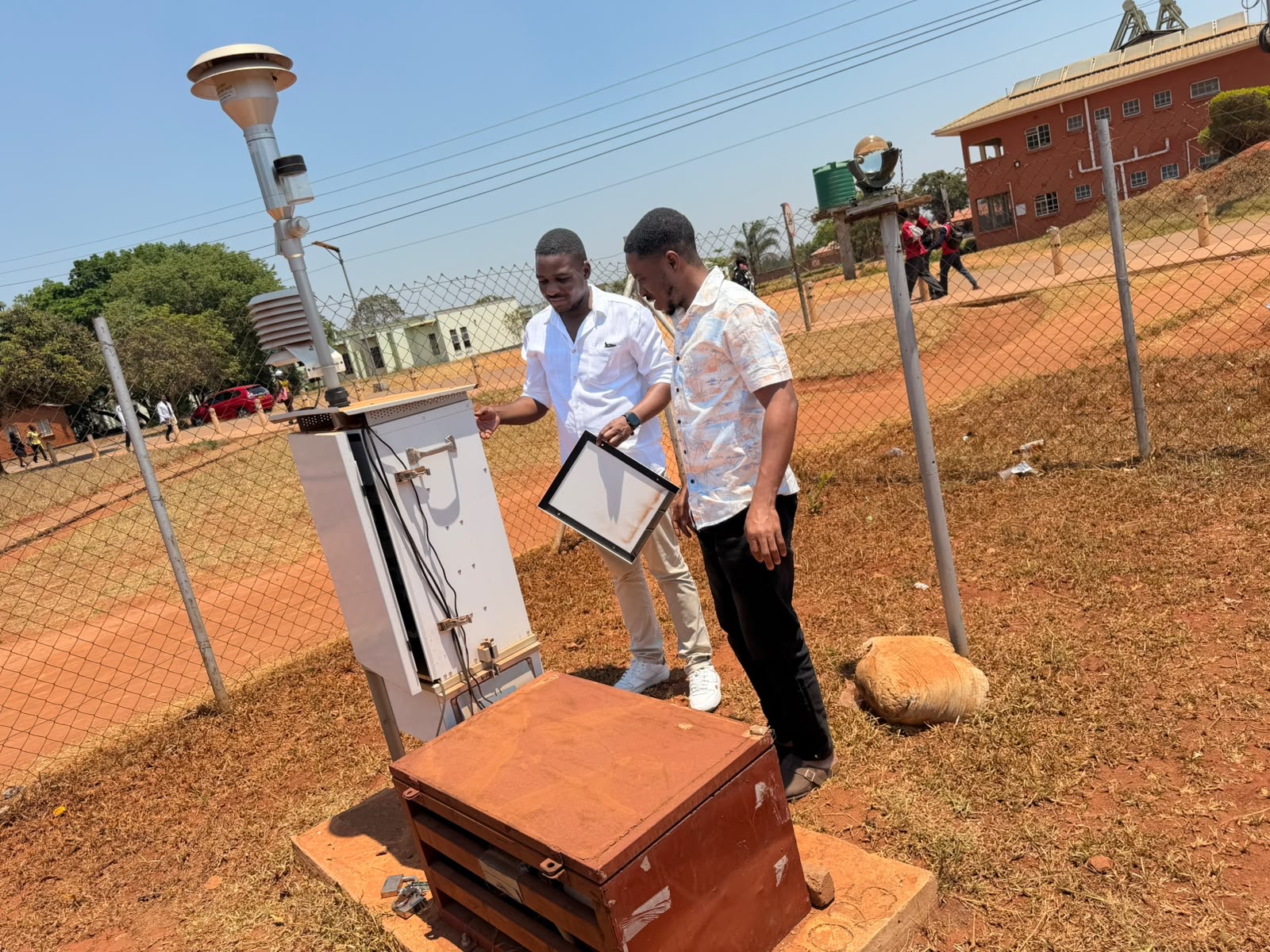
Location: Mzuzu, Malawi
Number of Reference Monitors: 1
Type/Manufacturer: MetOne Instruments (BAM) Inc., Oregon, USA.
Parameters: PM2.5
Deployment details: Deployed by Clean Air One Atmosphere's (Ghana) Malawi Initiative for Clean Air Solutions (MIfCAS) in partnership with the Malawi Environment Protection Authority, Mzuzu University, Department of Climate Change and Meteorological Services, Malawi University of Science and Technology, all of Malawi and Imperial College, London, UK with funding from the EPIC AQ Fund.
Public Data Access: TBD
Host: Mzuzu University, Malawi
Additional partners: Malawi Environment Protection Authority, Mzuzu University, Department of Climate Change and Meteorological Services, Malawi University of Science and Technology, all of Malawi and Imperial College, London, UK.
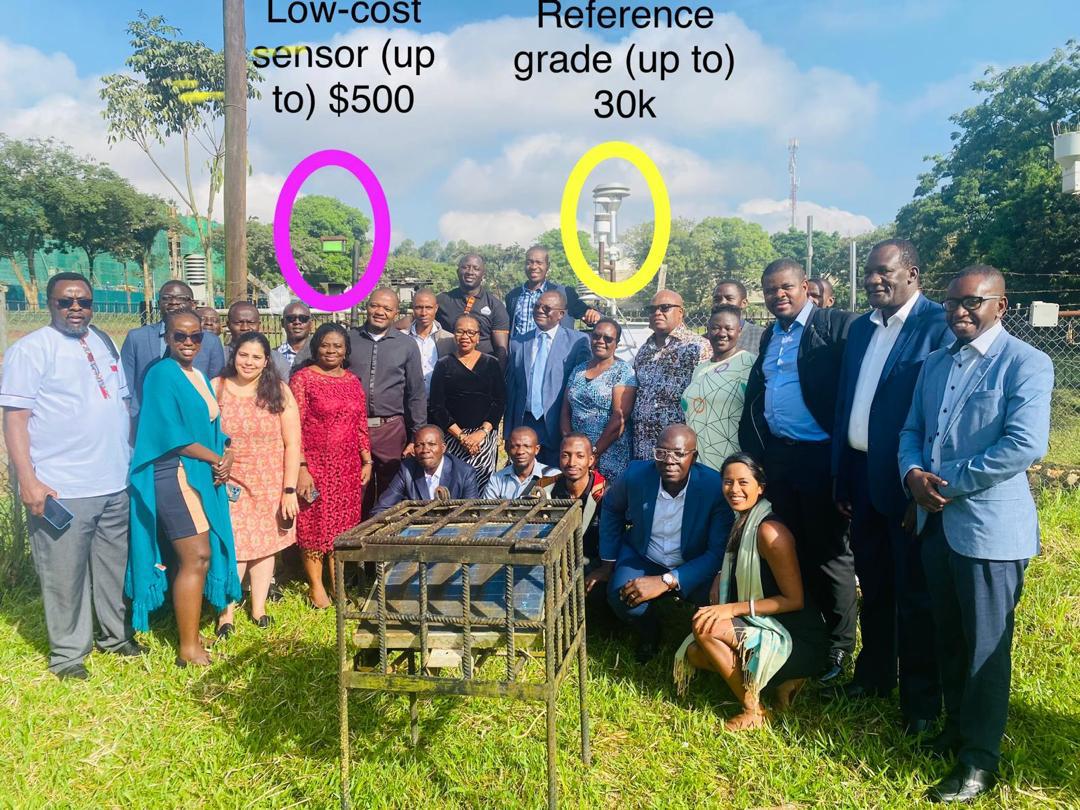
Makerere University, Kampala, Uganda
Location: Kampala, Uganda
Number of Reference Monitors: 2
Type/Manufacturer: MetOne BAM 1022
Parameters: PM2.5 and PM10
Deployment details: Deployed by AirQo with support from Google.org
Public Data Access: AirQo Platform | OpenAQ Platform
Host (s): Makerere University, Kampala Capital City Authority
Additional partners: KCCA, NEMA
Location: Kampala, Uganda
Number of Reference Monitors: 1
Type/Manufacturer: MetOne BAM
Parameters: PM2.5
Deployment details: East African Geohealth Hub, Makerere University
Host: Makerere University School of Public Health
Public Data Access: TBC
Additional partners: TBC

Location: Nairobi, Kenya
Number of Reference Monitors: 2
Type/Manufacturer: MetOne BAM
Parameters: PM2.5
Deployment details: Deployed by WRI with support from USAID (Link)
Public Data Access: AirQo
Host: Nairobi City County Government
Additional partners: AirQo, Clean Air Fund
Location: Nairobi, Kenya
Number of Reference Monitors: 1
Type/Manufacturer: MetOne BAM
Parameters: PM2.5
Deployment details: East African Geohealth Hub, University of Nairobi
Host: University of Nairobi
Public Data Access: TBC
Additional partners: AirQo
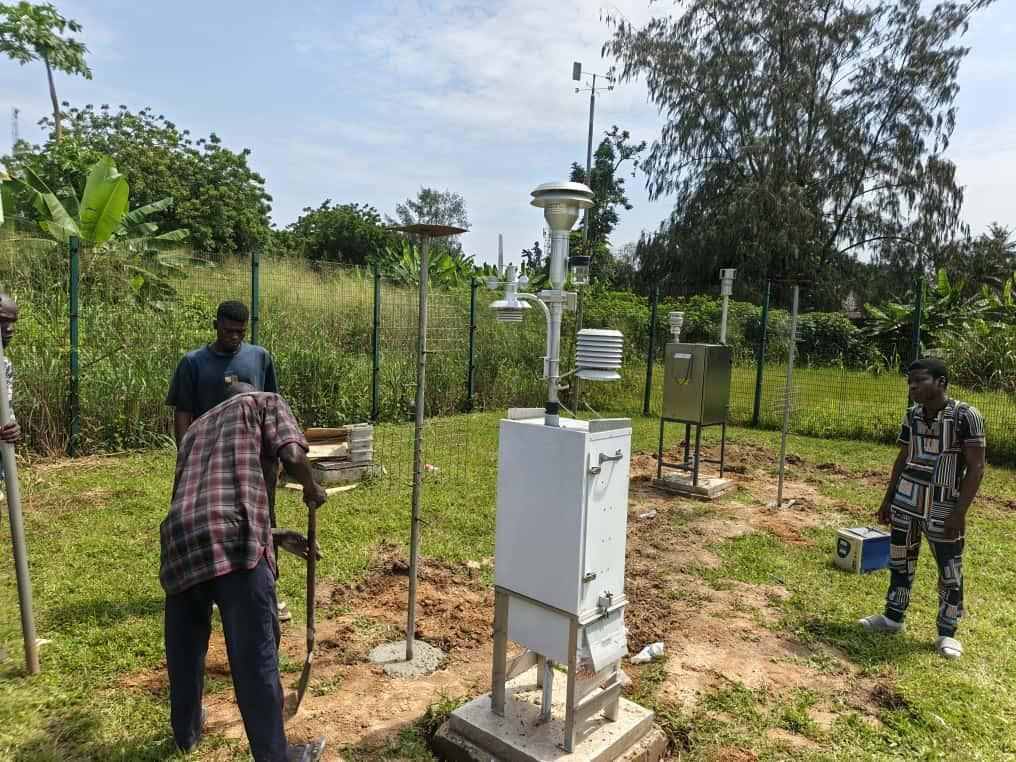
Lagos, Nigeria
Location: Lagos, Nigeria
Number of Reference Monitors: 3
Type/Manufacturer: BAM/ MetOne; AQ Sync/2B Technology, USA; FIDAS/SAS ADDAIR, France
Parameters: BAM PM10, PM2.5, US EPA Class III FEM, EU TÜV certified;
2BTech AQ-Sync NO/NO2/ozone instrument (US EPA certified) and a Model 714 calibrator;
Fidas 200S - aerosol size spectrometer that is EU-certified for PM2.5 and PM10
Deployment details: Led by AQMRG in partnership with AirQo, with funding from the US State Department (BAM); Fidas and AQ Sync both donated by AfriqAir
Public Data Access: AirQo Platform
Host: University of Lagos
Additional partners: LASEPA, LAMATA, NESREA, RENACLIP Foundation, UrbanBetter, Code4Africa, University of Port Harcourt, University of Uyo, University of Nairobi, Carnegie Mellon University, University Cheikh Anta Diop Dakar, American University in Cairo.
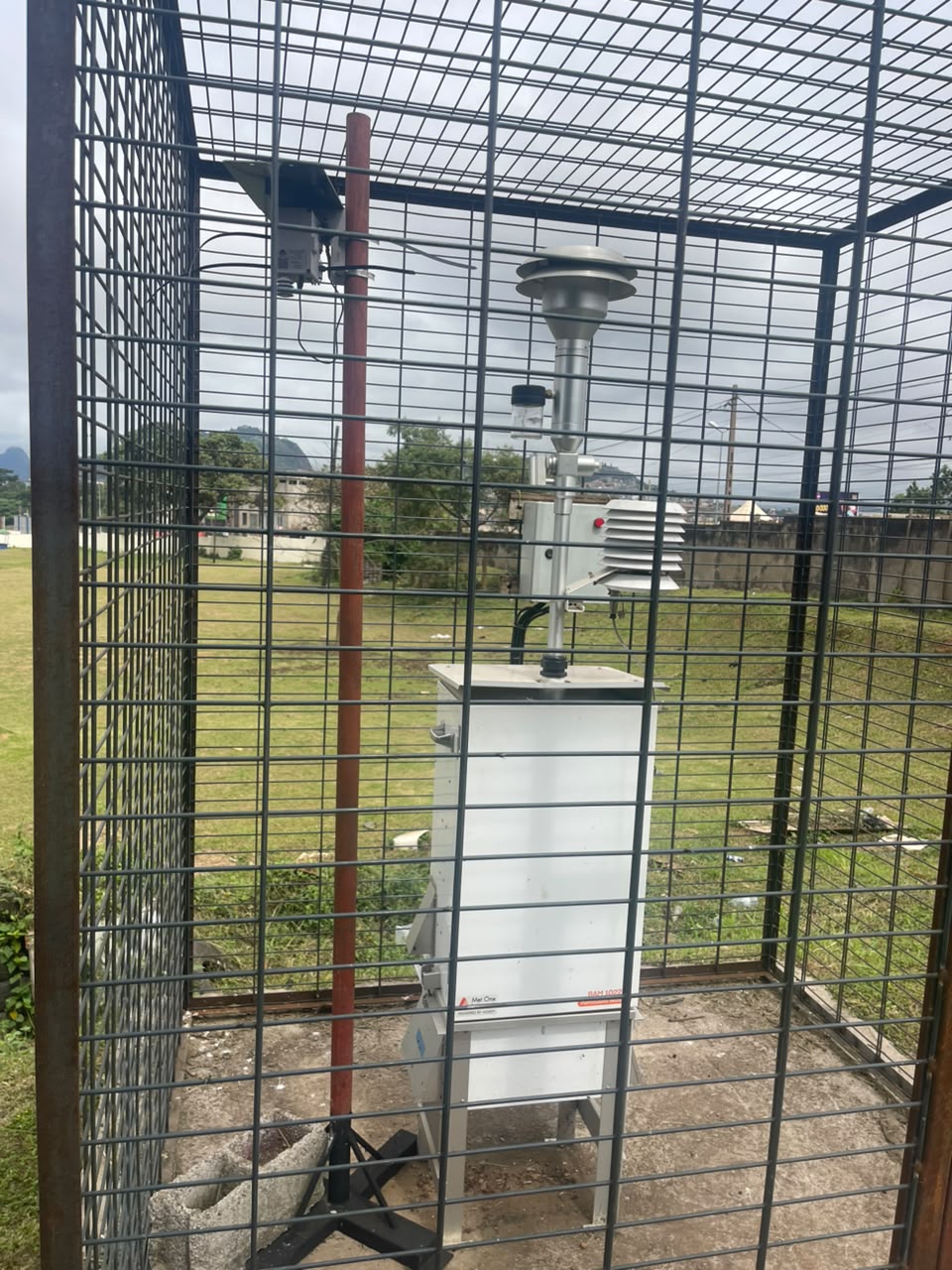
Location: Yaoundé, Cameroon
Number of Reference Monitors: 1
Type/Manufacturer: MetOne BAM 1022
Parameters: PM2.5
Deployment details: Deployed by the Health of Populations in Transit (HoPiT) research group, University of Yaoundé I with support from the EPIC AQ Fund
Public Data Access: AirQo Platform | OpenAQ Platform
Host: TBC
Additional partners: AirQo
