

Air pollution is a major public health challenge for many African urban spaces, and the dangers of exposure and socio-economic costs surpass other known environmental health challenges, including malnutrition and unsafe sanitation, especially for lower socio-economic strata.
Africa has one of the fastest-growing urban populations in the world, and yet there is an inherent lack of institutional capacity to design and implement targeted interventions to tackle air pollution across African cities.
The disproportionate impact of air pollution in African cities is instructive for advancing new and collaborative approaches to tackle urban air pollution.
The workshop brought together participants from communities of practice from over 31 cities across the world, as a launchpad for the CLEAN-Air Network to pioneer Africa-led collaborations and multi-regional partnerships that particularly emphasise the need to strengthen regional networks for sustained interventions.
The CLEAN-Air Network is a broad-based engagement umbrella for the communities of practice for air quality solutions and management across Africa and is envisioned to be:
This report provides a holistic overview of the key insights and outcomes from the CLEAN-Air inaugural workshop held in Kampala from 1st to 3rd April 2023.
The CLEAN-Air workshop was a three-day, largely in-person engagement that brought together over 200 communities of practice from over 31 cities (18 from Africa) from 18 countries across the world. The workshop was meant to be a launchpad that pioneers Africa-led collaborations and multiregional partnerships that particularly emphasise the need to strengthen regional networks for
sustained interventions.
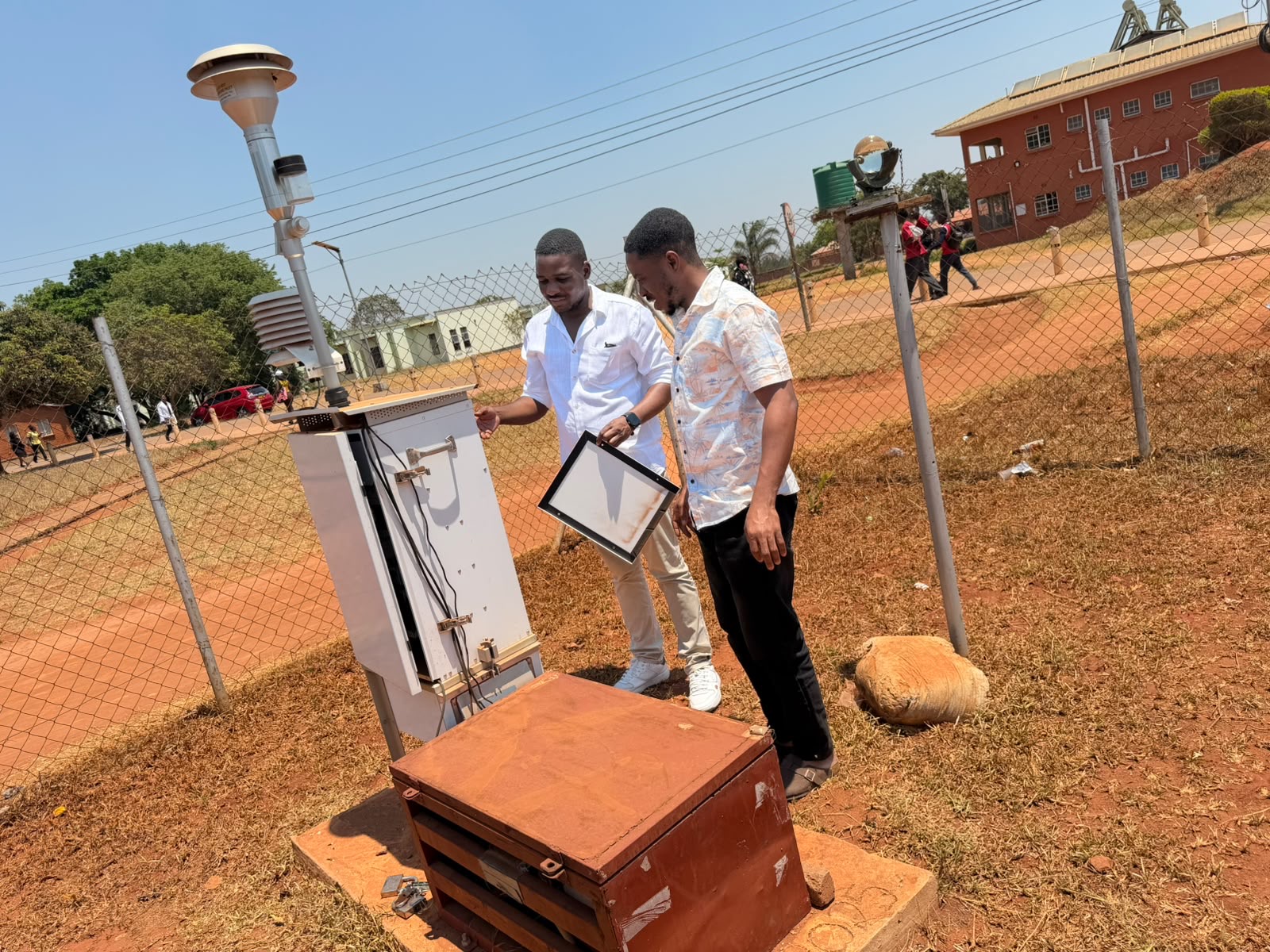
Location: Mzuzu, Malawi
Number of Reference Monitors: 1
Type/Manufacturer: MetOne Instruments (BAM) Inc., Oregon, USA.
Parameters: PM2.5
Deployment details: Deployed by Clean Air One Atmosphere's (Ghana) Malawi Initiative for Clean Air Solutions (MIfCAS) in partnership with Mzuzu University, with funding from the EPIC AQ Fund.
Public Data Access: TBD
Host: Mzuzu University, Malawi
Additional partners: Malawi Environment Protection Authority, Mzuzu University, Department of Climate Change and Meteorological Services, Malawi University of Science and Technology, and Imperial College, London, UK.
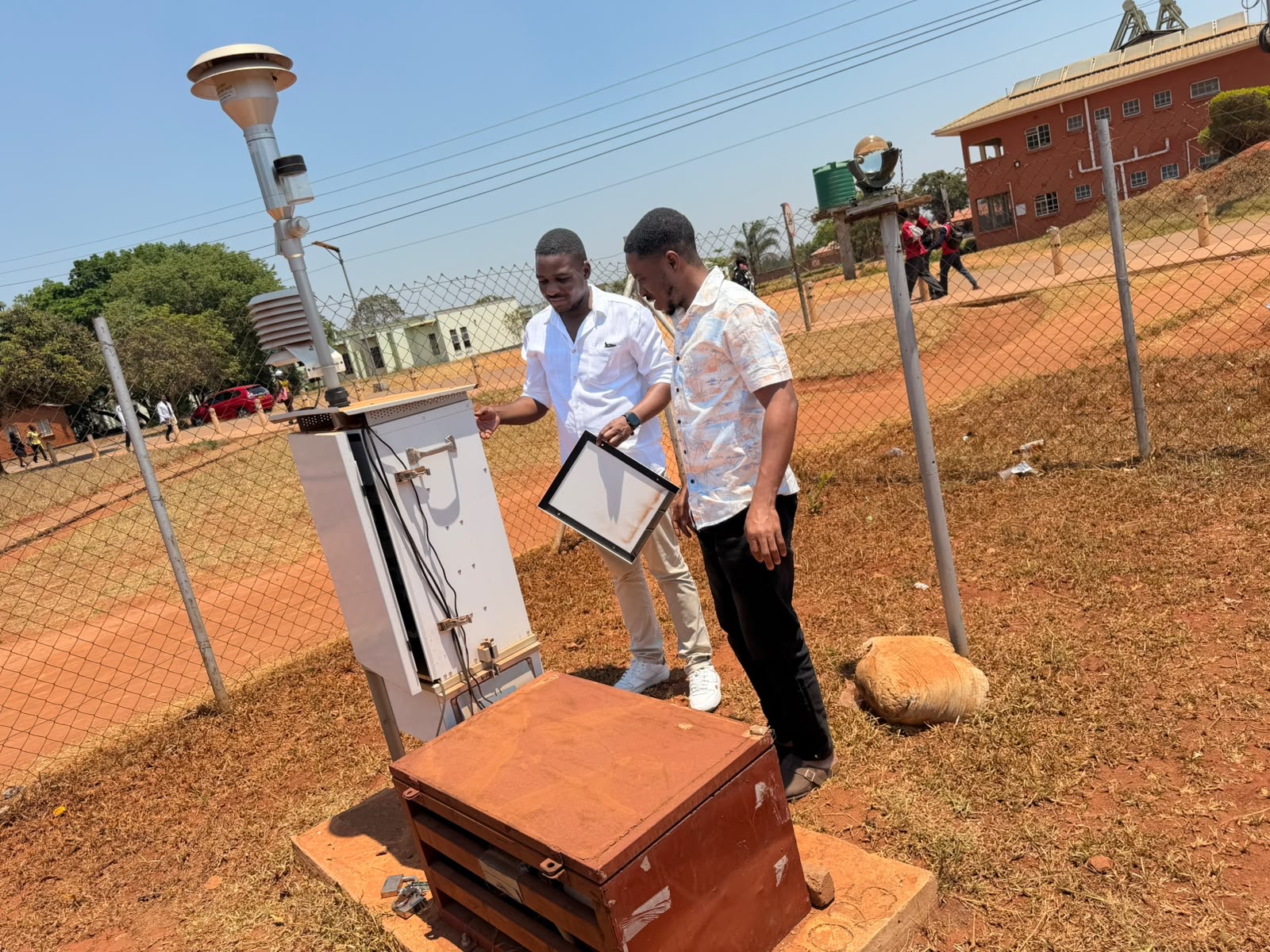
Location: Mzuzu, Malawi
Number of Reference Monitors: 1
Type/Manufacturer: MetOne Instruments (BAM) Inc., Oregon, USA.
Parameters: PM2.5
Deployment details: Deployed by Clean Air One Atmosphere's (Ghana) Malawi Initiative for Clean Air Solutions (MIfCAS) in partnership with the Malawi Environment Protection Authority, Mzuzu University, Department of Climate Change and Meteorological Services, Malawi University of Science and Technology, all of Malawi and Imperial College, London, UK with funding from the EPIC AQ Fund.
Public Data Access: TBD
Host: Mzuzu University, Malawi
Additional partners: Malawi Environment Protection Authority, Mzuzu University, Department of Climate Change and Meteorological Services, Malawi University of Science and Technology, all of Malawi and Imperial College, London, UK.
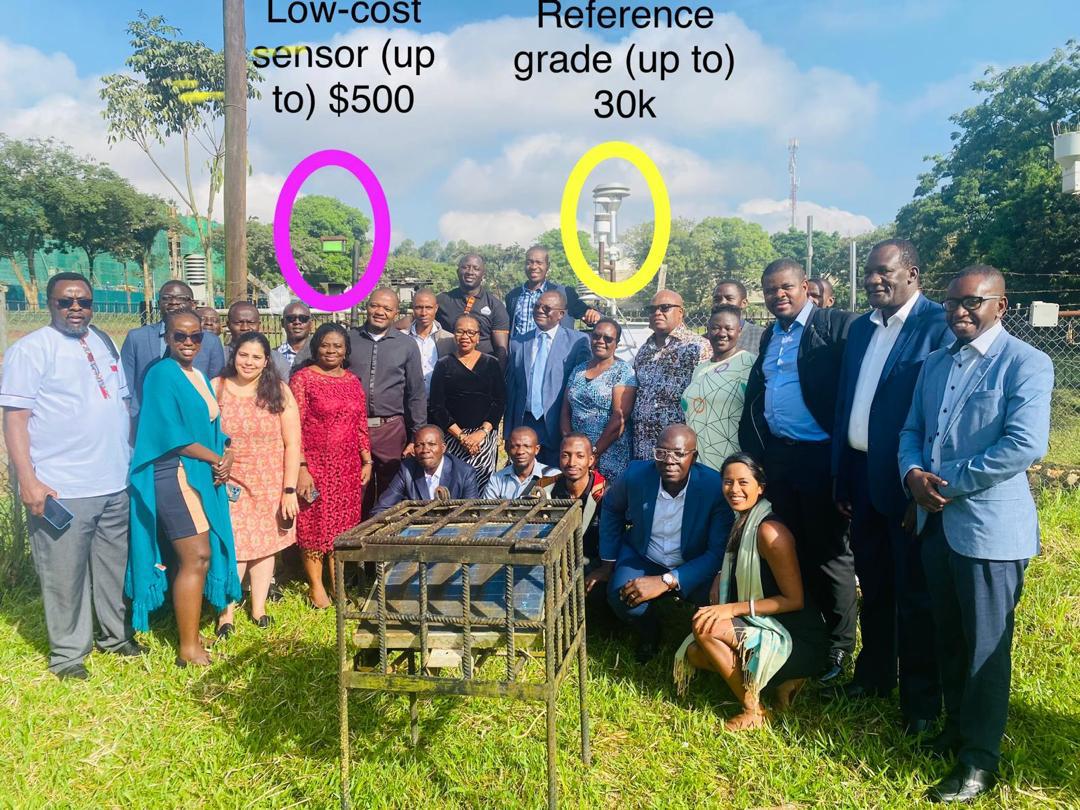
Makerere University, Kampala, Uganda
Location: Kampala, Uganda
Number of Reference Monitors: 2
Type/Manufacturer: MetOne BAM 1022
Parameters: PM2.5 and PM10
Deployment details: Deployed by AirQo with support from Google.org
Public Data Access: AirQo Platform | OpenAQ Platform
Host (s): Makerere University, Kampala Capital City Authority
Additional partners: KCCA, NEMA
Location: Kampala, Uganda
Number of Reference Monitors: 1
Type/Manufacturer: MetOne BAM
Parameters: PM2.5
Deployment details: East African Geohealth Hub, Makerere University
Host: Makerere University School of Public Health
Public Data Access: TBC
Additional partners: TBC
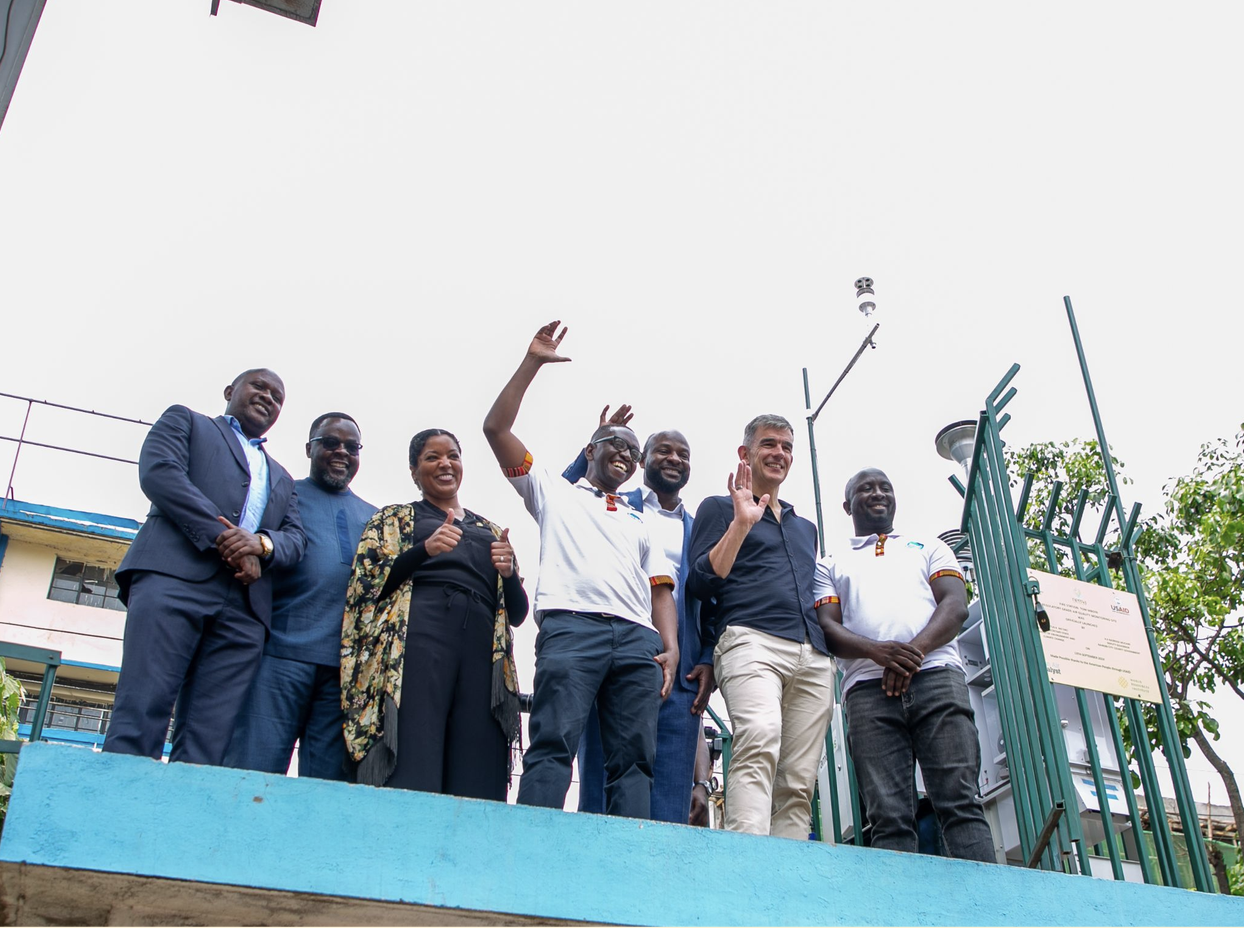
Location: Nairobi, Kenya
Number of Reference Monitors: 2
Type/Manufacturer: MetOne BAM
Parameters: PM2.5
Deployment details: Deployed by WRI with support from USAID (Link)
Public Data Access: AirQo
Host: Nairobi City County Government
Additional partners: AirQo, Clean Air Fund
Location: Nairobi, Kenya
Number of Reference Monitors: 1
Type/Manufacturer: MetOne BAM
Parameters: PM2.5
Deployment details: East African Geohealth Hub, University of Nairobi
Host: University of Nairobi
Public Data Access: TBC
Additional partners: AirQo
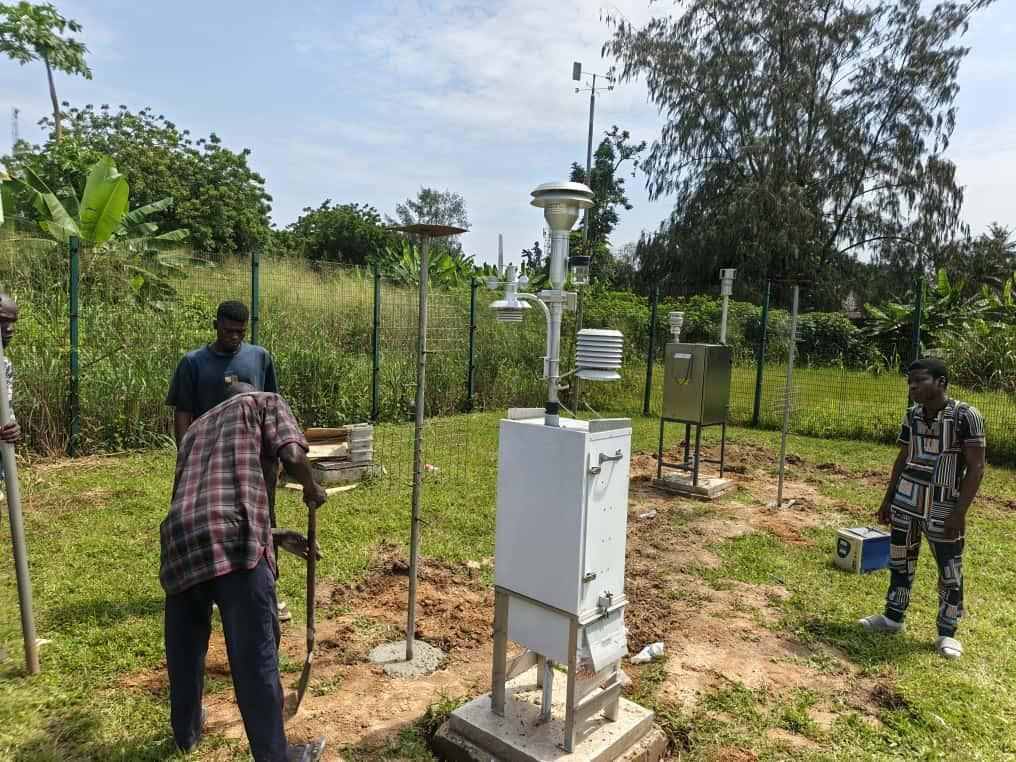
Lagos, Nigeria
Location: Lagos, Nigeria
Number of Reference Monitors: 3
Type/Manufacturer: BAM/ MetOne; AQ Sync/2B Technology, USA; FIDAS/SAS ADDAIR, France
Parameters: BAM PM10, PM2.5, US EPA Class III FEM, EU TÜV certified;
2BTech AQ-Sync NO/NO2/ozone instrument (US EPA certified) and a Model 714 calibrator;
Fidas 200S - aerosol size spectrometer that is EU-certified for PM2.5 and PM10
Deployment details: Led by AQMRG in partnership with AirQo, with funding from the US State Department (BAM); Fidas and AQ Sync both donated by AfriqAir
Public Data Access: AirQo Platform
Host: University of Lagos
Additional partners: LASEPA, LAMATA, NESREA, RENACLIP Foundation, UrbanBetter, Code4Africa, University of Port Harcourt, University of Uyo, University of Nairobi, Carnegie Mellon University, University Cheikh Anta Diop Dakar, American University in Cairo.
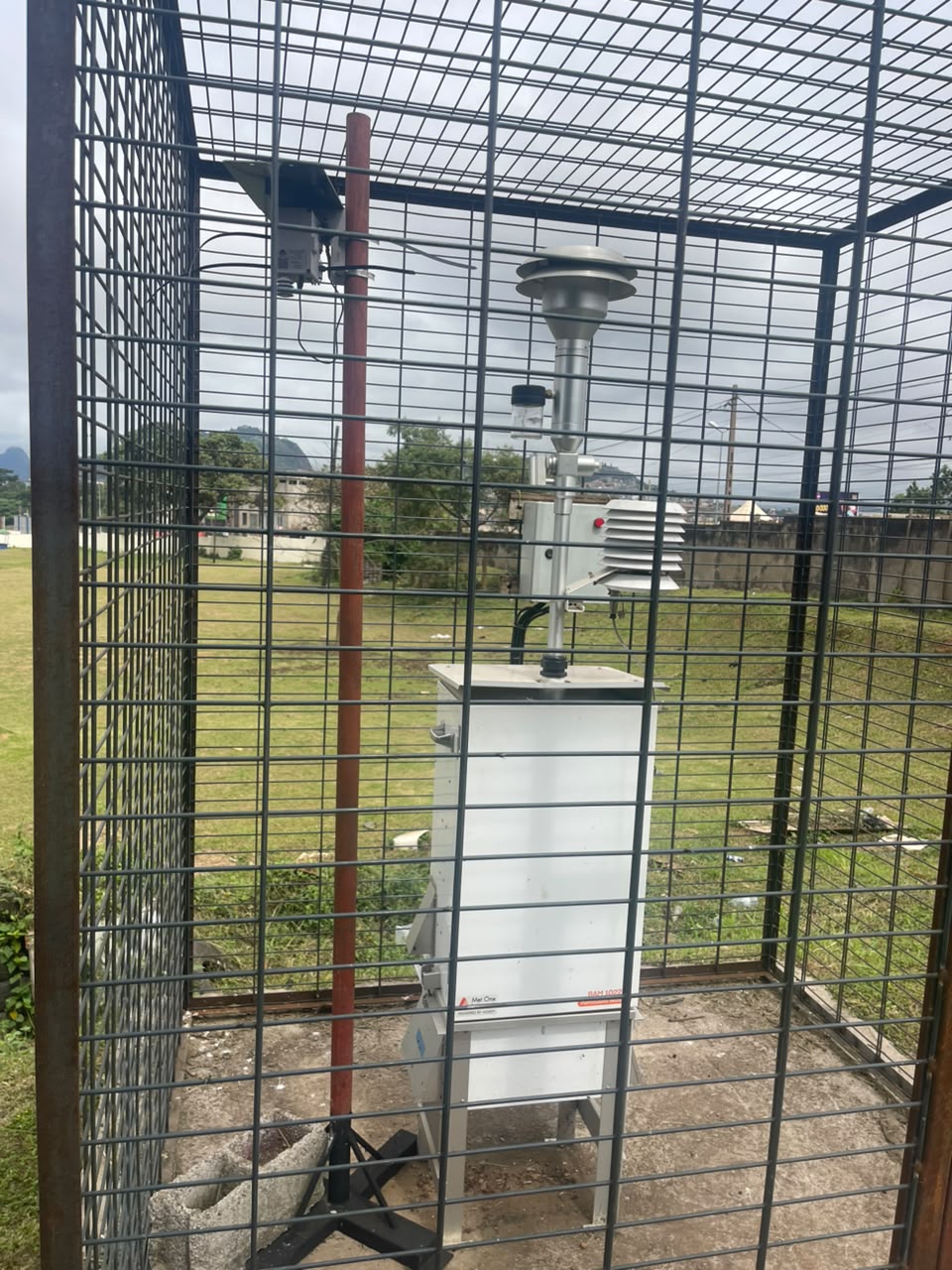
Location: Yaoundé, Cameroon
Number of Reference Monitors: 1
Type/Manufacturer: MetOne BAM 1022
Parameters: PM2.5
Deployment details: Deployed by the Health of Populations in Transit (HoPiT) research group, University of Yaoundé I with support from the EPIC AQ Fund
Public Data Access: AirQo Platform | OpenAQ Platform
Host: TBC
Additional partners: AirQo
