

Goal
The AfriCAN Peer Editing Initiative provides manuscript editing assistance to researchers with an institutional affiliation in Africa who plan to submit a manuscript for publication. This initiative is offered free of cost.
What does the process entail?
As part of peer editing, authors will receive feedback on the format of the manuscript, presentation of data and/or brevity and style. The peer editors will not conduct a technical review of the manuscript or check the accuracy and completeness for the references.
Author eligibility
Important Information for Authors
Process and timeline
The manuscript should be submitted as either an MS Word document or an MS Word-compatible document editor (e.g., Google Docs) and must follow editorial guidelines from intended journals. Please review the author guidelines forbefore submission of the manuscript to AfriCAN. Submissions must be sent to submissions@cleanairafrica.org with a subject line: CAJ Special Issue Manuscript.
Deadlines: submissions for peer editing are reviewed on a rolling basis.
Peer Editors
Peer editors will provide feedback on the following aspects of the manuscript:
The position is voluntary. We expect peer editors to spend between 3-6 hours for each manuscript.
Eligibility



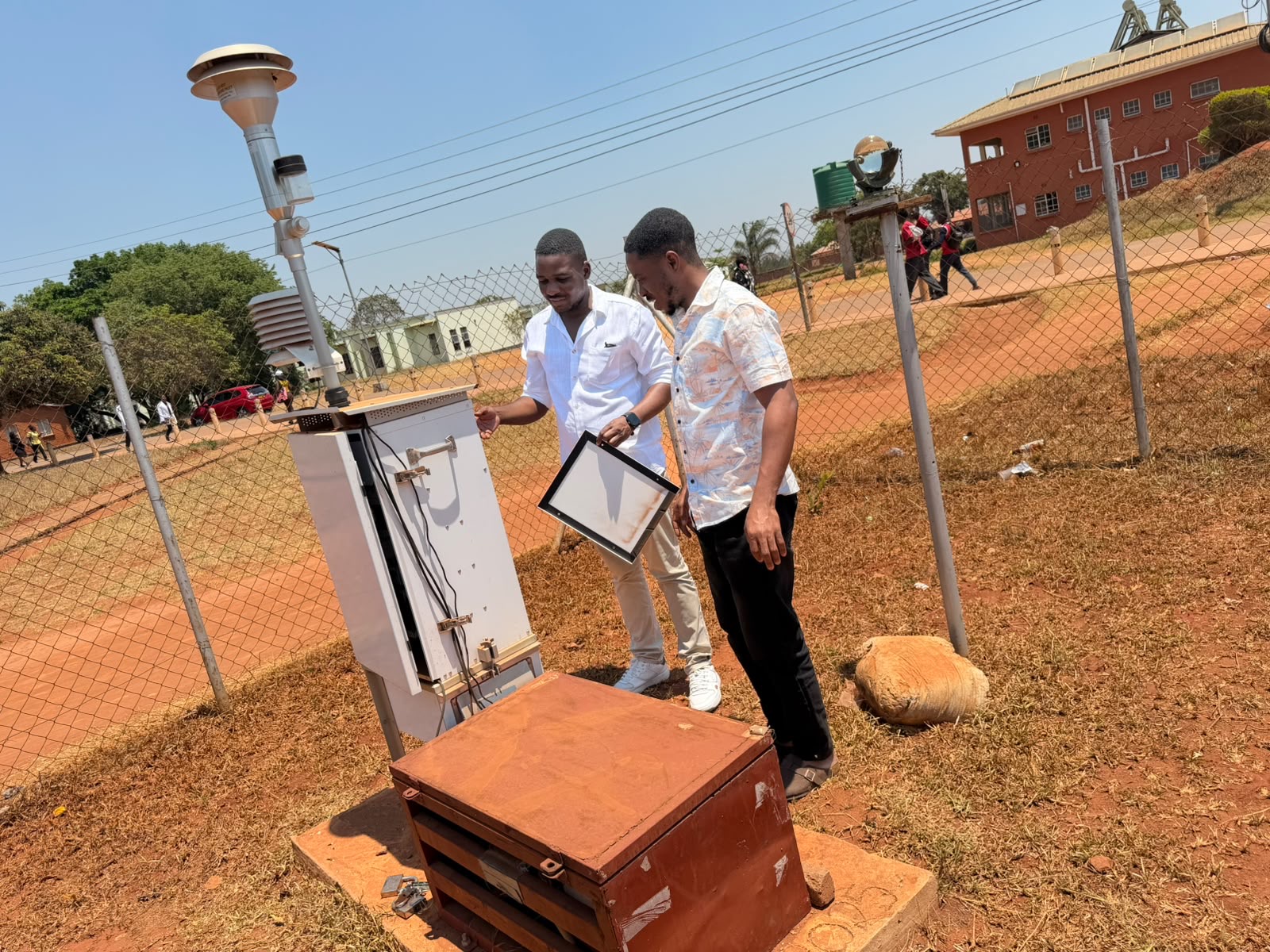
Location: Mzuzu, Malawi
Number of Reference Monitors: 1
Type/Manufacturer: MetOne Instruments (BAM) Inc., Oregon, USA.
Parameters: PM2.5
Deployment details: Deployed by Clean Air One Atmosphere's (Ghana) Malawi Initiative for Clean Air Solutions (MIfCAS) in partnership with Mzuzu University, with funding from the EPIC AQ Fund.
Public Data Access: TBD
Host: Mzuzu University, Malawi
Additional partners: Malawi Environment Protection Authority, Mzuzu University, Department of Climate Change and Meteorological Services, Malawi University of Science and Technology, and Imperial College, London, UK.
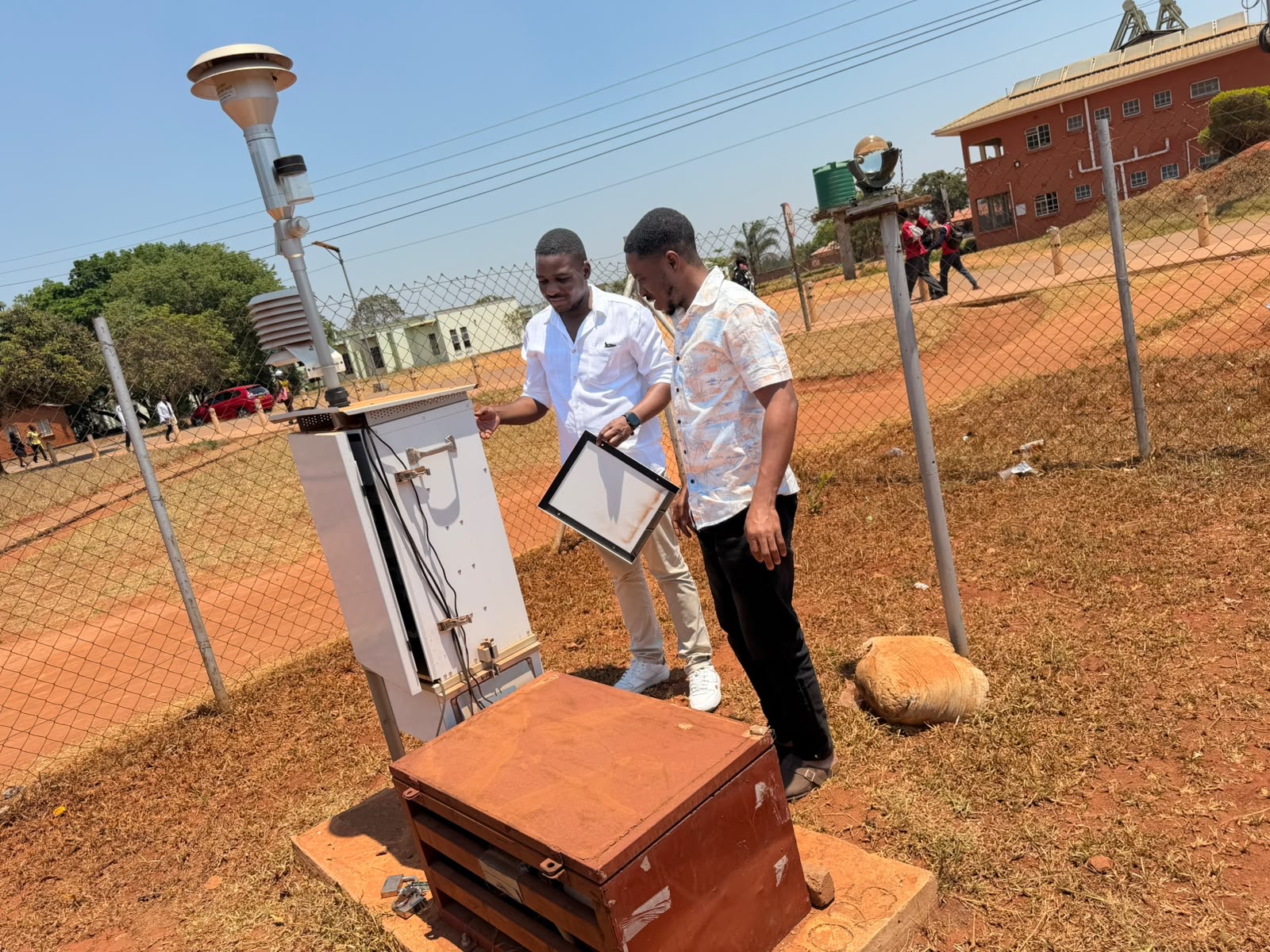
Location: Mzuzu, Malawi
Number of Reference Monitors: 1
Type/Manufacturer: MetOne Instruments (BAM) Inc., Oregon, USA.
Parameters: PM2.5
Deployment details: Deployed by Clean Air One Atmosphere's (Ghana) Malawi Initiative for Clean Air Solutions (MIfCAS) in partnership with the Malawi Environment Protection Authority, Mzuzu University, Department of Climate Change and Meteorological Services, Malawi University of Science and Technology, all of Malawi and Imperial College, London, UK with funding from the EPIC AQ Fund.
Public Data Access: TBD
Host: Mzuzu University, Malawi
Additional partners: Malawi Environment Protection Authority, Mzuzu University, Department of Climate Change and Meteorological Services, Malawi University of Science and Technology, all of Malawi and Imperial College, London, UK.
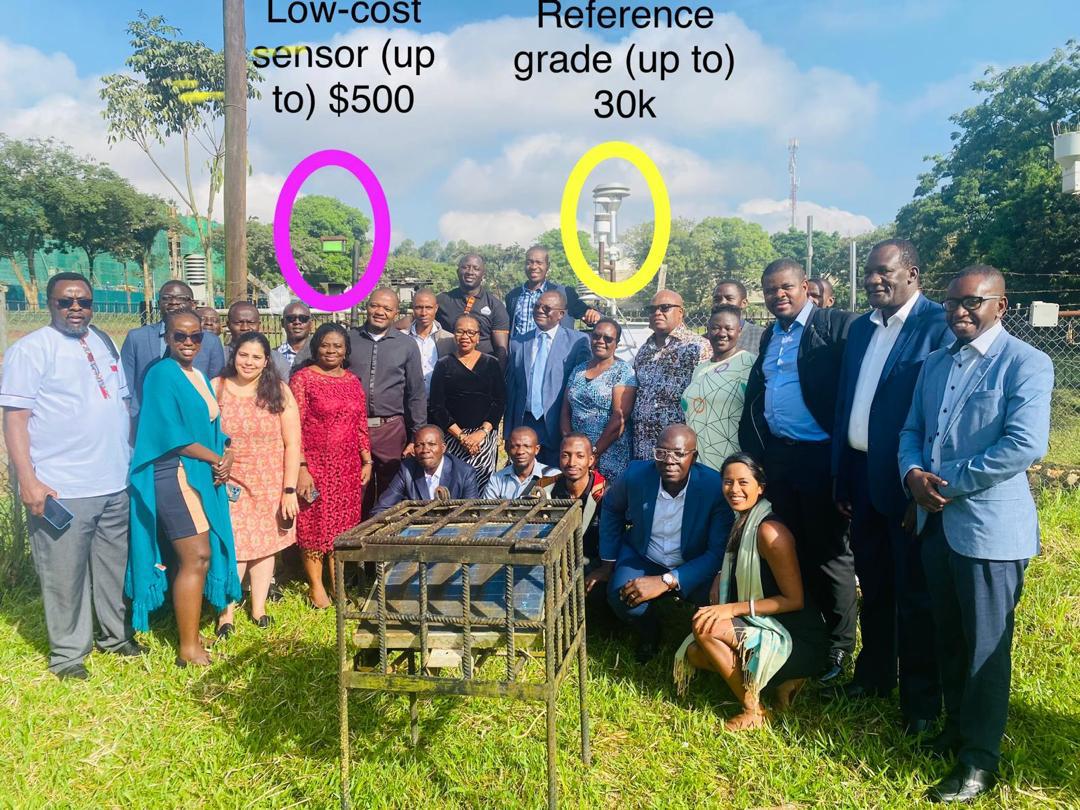
Makerere University, Kampala, Uganda
Location: Kampala, Uganda
Number of Reference Monitors: 2
Type/Manufacturer: MetOne BAM 1022
Parameters: PM2.5 and PM10
Deployment details: Deployed by AirQo with support from Google.org
Public Data Access: AirQo Platform | OpenAQ Platform
Host (s): Makerere University, Kampala Capital City Authority
Additional partners: KCCA, NEMA
Location: Kampala, Uganda
Number of Reference Monitors: 1
Type/Manufacturer: MetOne BAM
Parameters: PM2.5
Deployment details: East African Geohealth Hub, Makerere University
Host: Makerere University School of Public Health
Public Data Access: TBC
Additional partners: TBC

Location: Nairobi, Kenya
Number of Reference Monitors: 2
Type/Manufacturer: MetOne BAM
Parameters: PM2.5
Deployment details: Deployed by WRI with support from USAID (Link)
Public Data Access: AirQo
Host: Nairobi City County Government
Additional partners: AirQo, Clean Air Fund
Location: Nairobi, Kenya
Number of Reference Monitors: 1
Type/Manufacturer: MetOne BAM
Parameters: PM2.5
Deployment details: East African Geohealth Hub, University of Nairobi
Host: University of Nairobi
Public Data Access: TBC
Additional partners: AirQo
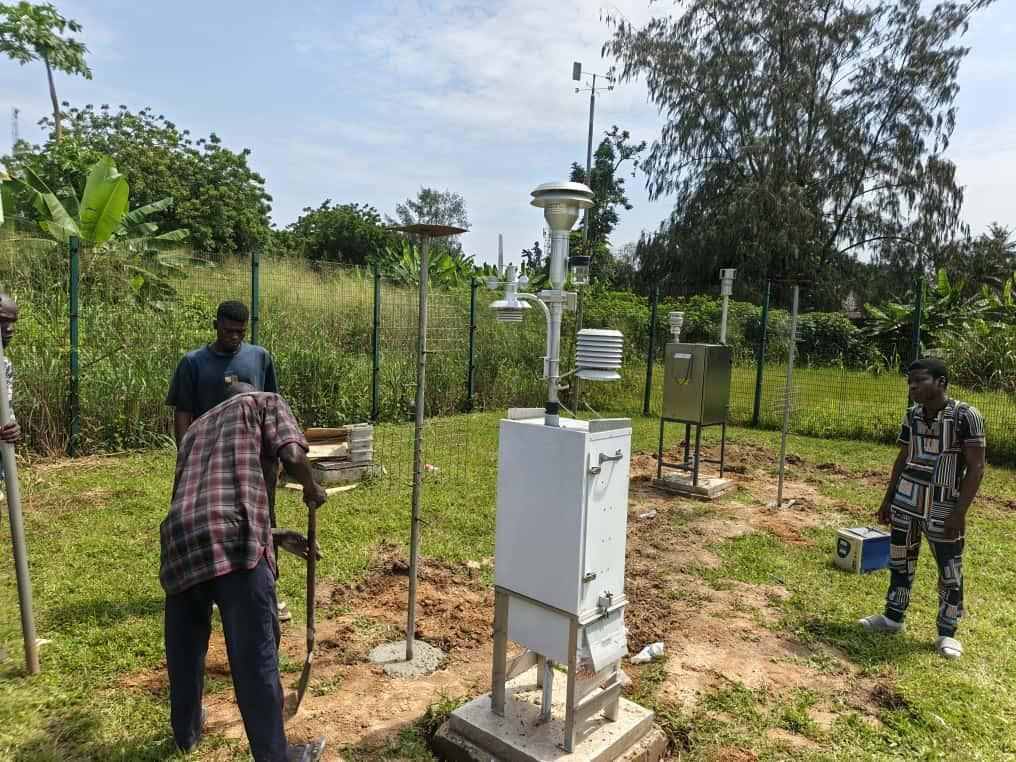
Lagos, Nigeria
Location: Lagos, Nigeria
Number of Reference Monitors: 3
Type/Manufacturer: BAM/ MetOne; AQ Sync/2B Technology, USA; FIDAS/SAS ADDAIR, France
Parameters: BAM PM10, PM2.5, US EPA Class III FEM, EU TÜV certified;
2BTech AQ-Sync NO/NO2/ozone instrument (US EPA certified) and a Model 714 calibrator;
Fidas 200S - aerosol size spectrometer that is EU-certified for PM2.5 and PM10
Deployment details: Led by AQMRG in partnership with AirQo, with funding from the US State Department (BAM); Fidas and AQ Sync both donated by AfriqAir
Public Data Access: AirQo Platform
Host: University of Lagos
Additional partners: LASEPA, LAMATA, NESREA, RENACLIP Foundation, UrbanBetter, Code4Africa, University of Port Harcourt, University of Uyo, University of Nairobi, Carnegie Mellon University, University Cheikh Anta Diop Dakar, American University in Cairo.
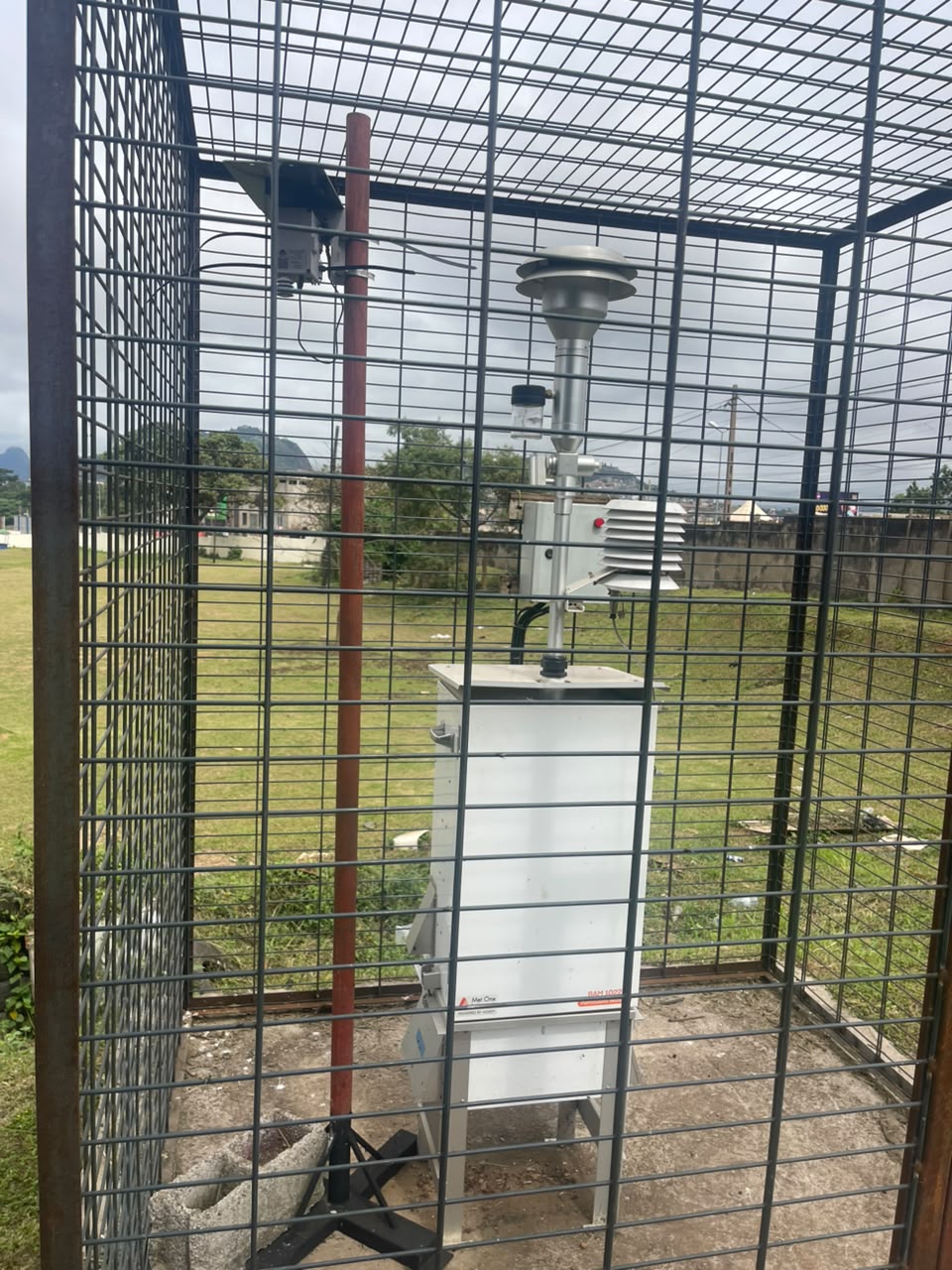
Location: Yaoundé, Cameroon
Number of Reference Monitors: 1
Type/Manufacturer: MetOne BAM 1022
Parameters: PM2.5
Deployment details: Deployed by the Health of Populations in Transit (HoPiT) research group, University of Yaoundé I with support from the EPIC AQ Fund
Public Data Access: AirQo Platform | OpenAQ Platform
Host: TBC
Additional partners: AirQo
