

The transition to clean cooking is critical for addressing climate change, environmental degradation, and improving health and livelihoods. However, the pathways to cleaner cooking are shaped by local environmental, economic, and social contexts. This session brings together evidence from four countries in East Africa (Uganda, Ethiopia, Kenya, and Rwanda) to examine the environmental and socioeconomic impacts of different cooking technologies and the challenges households face in adopting and sustaining cleaner alternatives.
Presentations will explore the life-cycle environmental benefits of parabolic solar cookers compared with charcoal in Uganda; the potential of improved biomass cookstoves to reduce fuelwood consumption, greenhouse gas emissions, and forest degradation in Ethiopia; and the environmental and economic implications of transitioning from traditional fuelwood to electric cooking in rural Rwanda. The session will also examine how overlapping climate and economic shocks, including prolonged drought and the global food and fuel price increases associated with the Russia-Ukraine war, affected household food security and liquefied petroleum gas (LPG) consumption in Nairobi, Kenya.
Together, these studies highlight the potential of clean cooking transitions to deliver important climate, environmental, and socioeconomic benefits, while illustrating the barriers that can limit adoption and sustained use. Drawing on evidence across East Africa, the session will explore how affordability, household resilience, and context-specific policies can shape more sustainable transitions to clean cooking.
Register here to join.
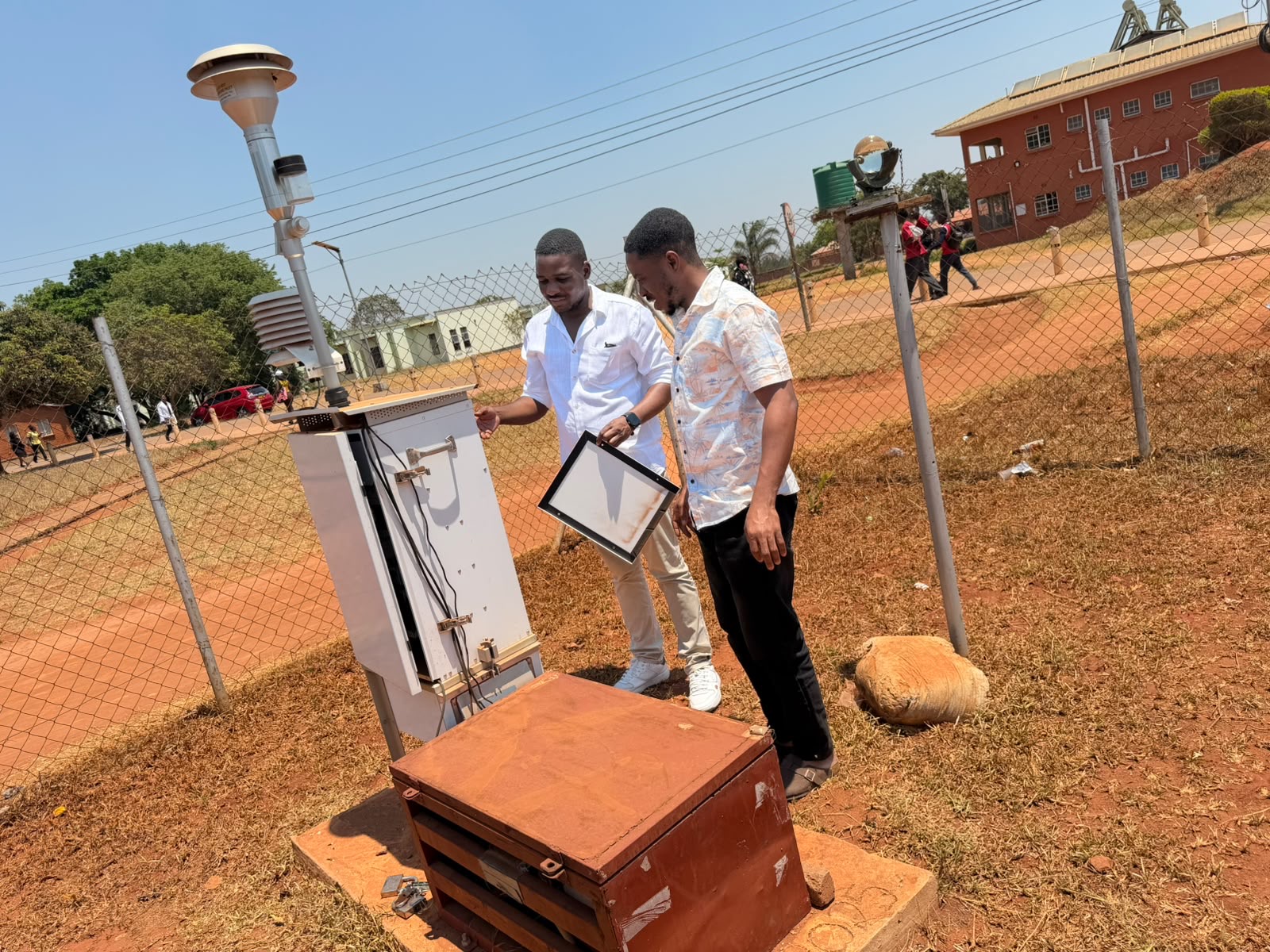
Location: Mzuzu, Malawi
Number of Reference Monitors: 1
Type/Manufacturer: MetOne Instruments (BAM) Inc., Oregon, USA.
Parameters: PM2.5
Deployment details: Deployed by Clean Air One Atmosphere's (Ghana) Malawi Initiative for Clean Air Solutions (MIfCAS) in partnership with Mzuzu University, with funding from the EPIC AQ Fund.
Public Data Access: TBD
Host: Mzuzu University, Malawi
Additional partners: Malawi Environment Protection Authority, Mzuzu University, Department of Climate Change and Meteorological Services, Malawi University of Science and Technology, and Imperial College, London, UK.
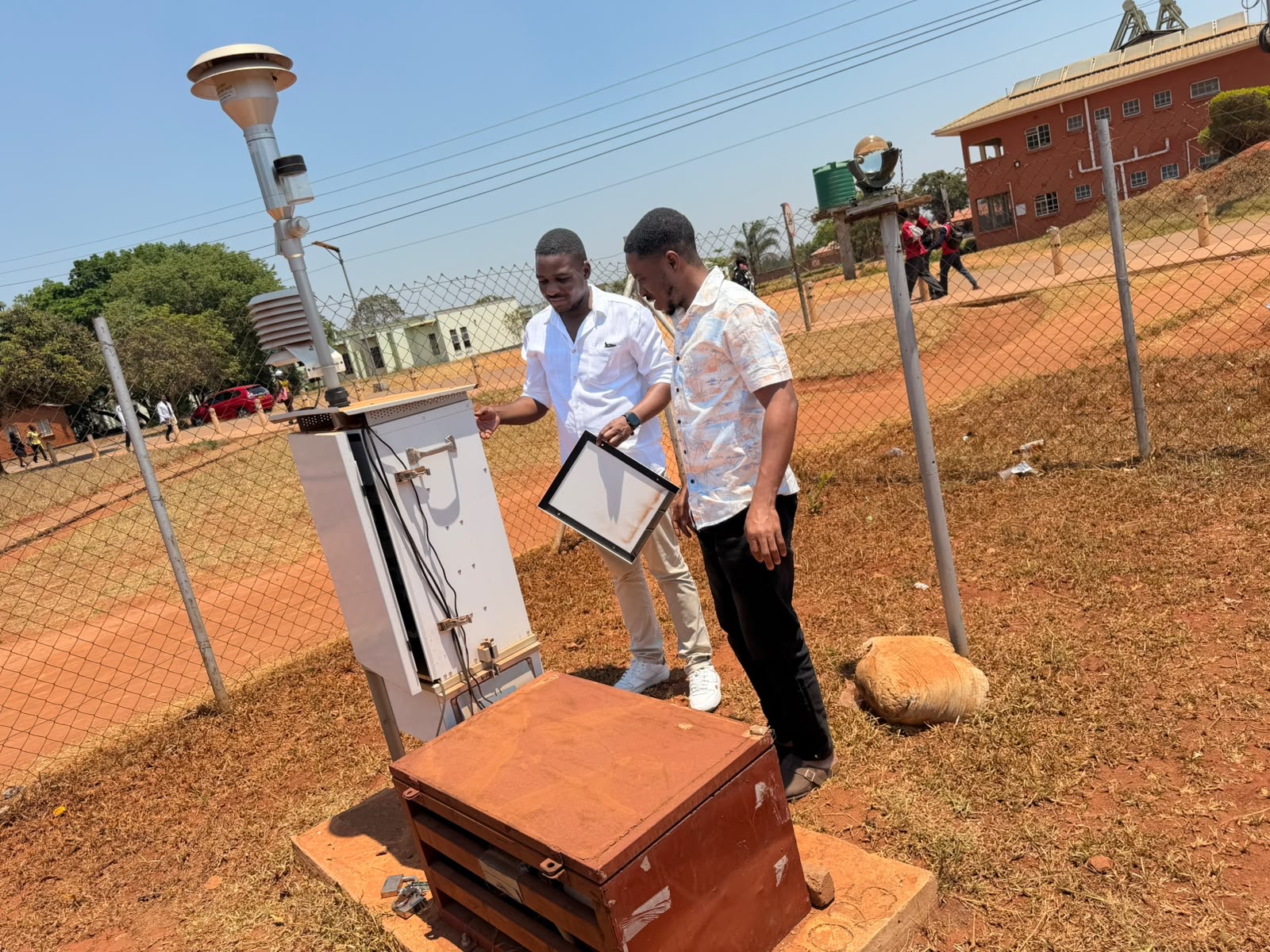
Location: Mzuzu, Malawi
Number of Reference Monitors: 1
Type/Manufacturer: MetOne Instruments (BAM) Inc., Oregon, USA.
Parameters: PM2.5
Deployment details: Deployed by Clean Air One Atmosphere's (Ghana) Malawi Initiative for Clean Air Solutions (MIfCAS) in partnership with the Malawi Environment Protection Authority, Mzuzu University, Department of Climate Change and Meteorological Services, Malawi University of Science and Technology, all of Malawi and Imperial College, London, UK with funding from the EPIC AQ Fund.
Public Data Access: TBD
Host: Mzuzu University, Malawi
Additional partners: Malawi Environment Protection Authority, Mzuzu University, Department of Climate Change and Meteorological Services, Malawi University of Science and Technology, all of Malawi and Imperial College, London, UK.

Makerere University, Kampala, Uganda
Location: Kampala, Uganda
Number of Reference Monitors: 2
Type/Manufacturer: MetOne BAM 1022
Parameters: PM2.5 and PM10
Deployment details: Deployed by AirQo with support from Google.org
Public Data Access: AirQo Platform | OpenAQ Platform
Host (s): Makerere University, Kampala Capital City Authority
Additional partners: KCCA, NEMA
Location: Kampala, Uganda
Number of Reference Monitors: 1
Type/Manufacturer: MetOne BAM
Parameters: PM2.5
Deployment details: East African Geohealth Hub, Makerere University
Host: Makerere University School of Public Health
Public Data Access: TBC
Additional partners: TBC

Location: Nairobi, Kenya
Number of Reference Monitors: 2
Type/Manufacturer: MetOne BAM
Parameters: PM2.5
Deployment details: Deployed by WRI with support from USAID (Link)
Public Data Access: AirQo
Host: Nairobi City County Government
Additional partners: AirQo, Clean Air Fund
Location: Nairobi, Kenya
Number of Reference Monitors: 1
Type/Manufacturer: MetOne BAM
Parameters: PM2.5
Deployment details: East African Geohealth Hub, University of Nairobi
Host: University of Nairobi
Public Data Access: TBC
Additional partners: AirQo
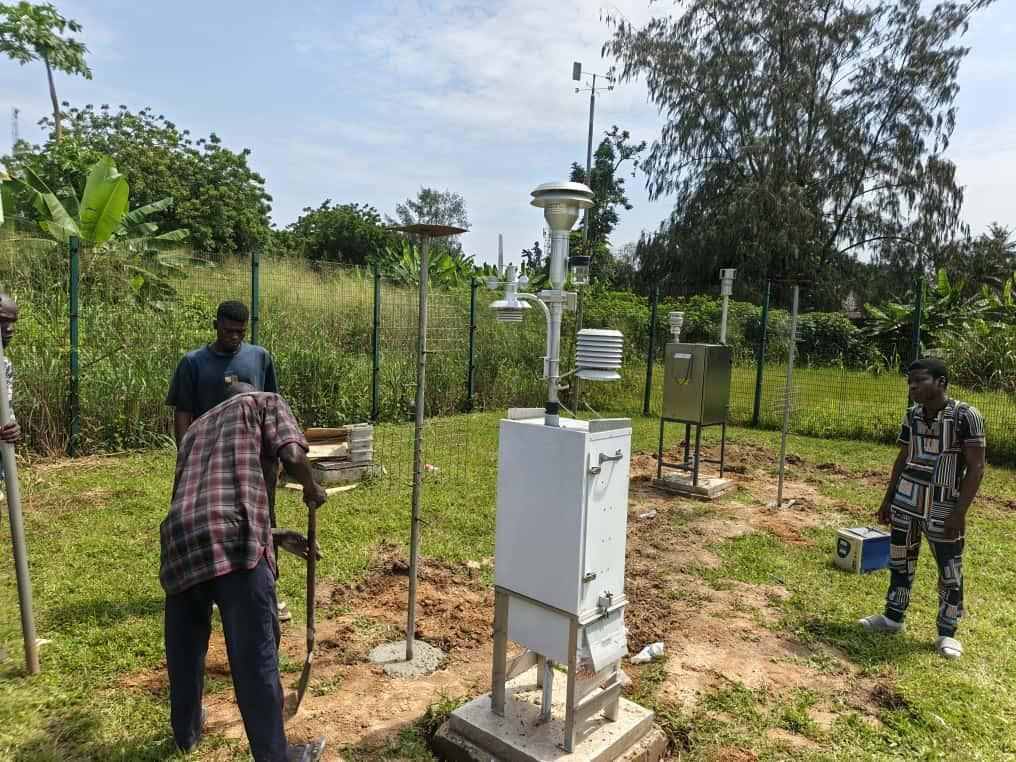
Lagos, Nigeria
Location: Lagos, Nigeria
Number of Reference Monitors: 3
Type/Manufacturer: BAM/ MetOne; AQ Sync/2B Technology, USA; FIDAS/SAS ADDAIR, France
Parameters: BAM PM10, PM2.5, US EPA Class III FEM, EU TÜV certified;
2BTech AQ-Sync NO/NO2/ozone instrument (US EPA certified) and a Model 714 calibrator;
Fidas 200S - aerosol size spectrometer that is EU-certified for PM2.5 and PM10
Deployment details: Led by AQMRG in partnership with AirQo, with funding from the US State Department (BAM); Fidas and AQ Sync both donated by AfriqAir
Public Data Access: AirQo Platform
Host: University of Lagos
Additional partners: LASEPA, LAMATA, NESREA, RENACLIP Foundation, UrbanBetter, Code4Africa, University of Port Harcourt, University of Uyo, University of Nairobi, Carnegie Mellon University, University Cheikh Anta Diop Dakar, American University in Cairo.
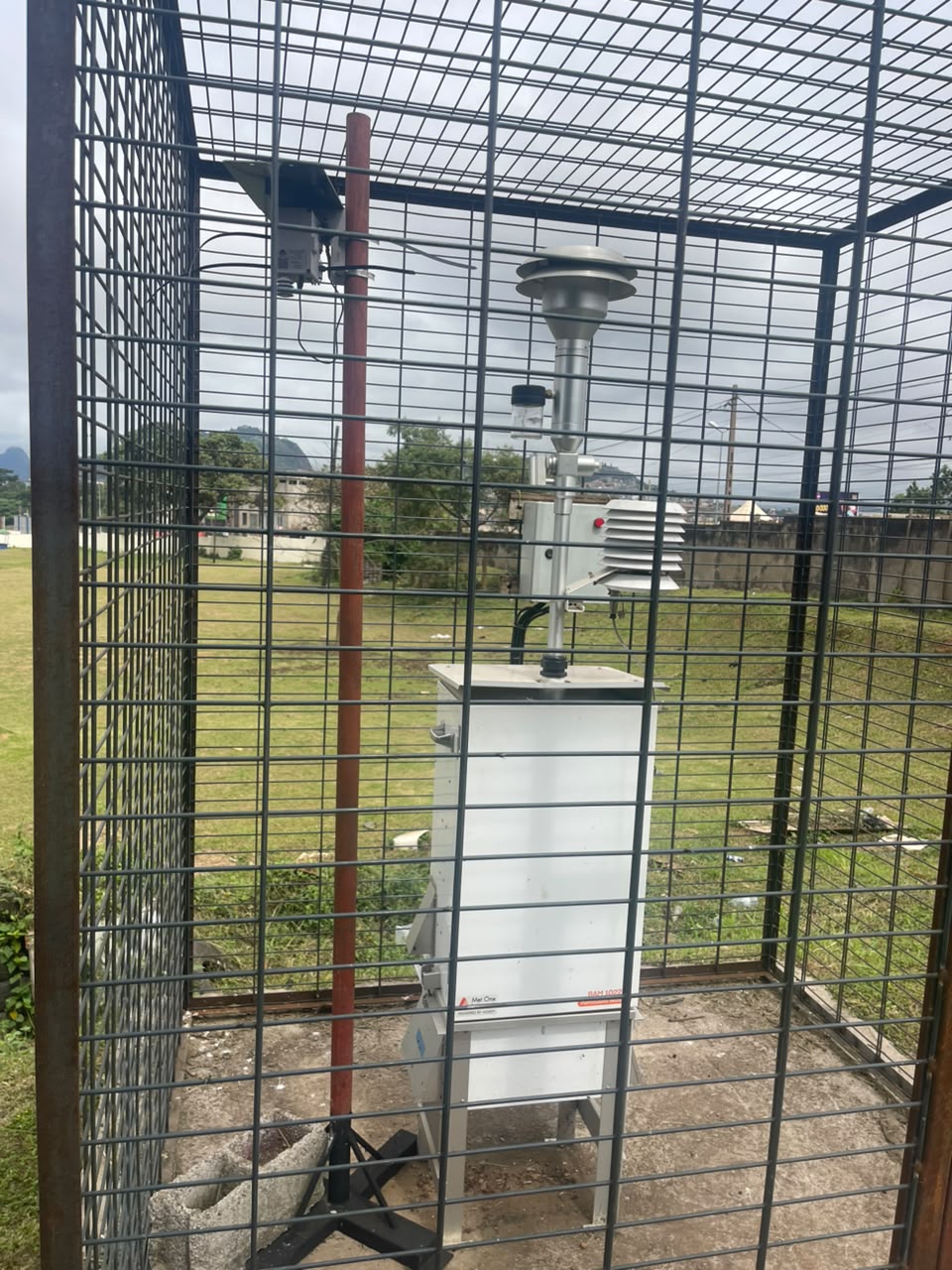
Location: Yaoundé, Cameroon
Number of Reference Monitors: 1
Type/Manufacturer: MetOne BAM 1022
Parameters: PM2.5
Deployment details: Deployed by the Health of Populations in Transit (HoPiT) research group, University of Yaoundé I with support from the EPIC AQ Fund
Public Data Access: AirQo Platform | OpenAQ Platform
Host: TBC
Additional partners: AirQo
